

Hybrid Manufacturing Technology: Merging 3D Printing with CNC Machining
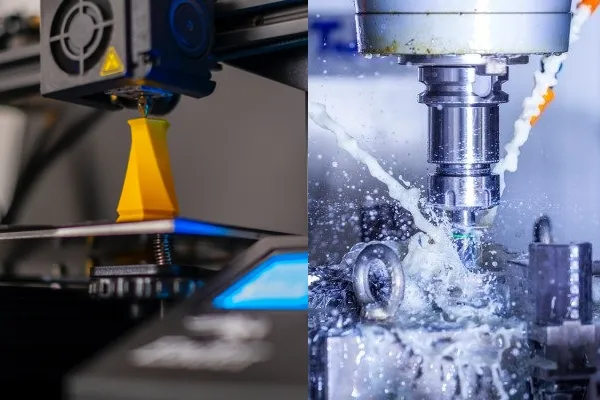
For years, manufacturers have faced a strategic choice: use additive manufacturing (3D printing) to build complex, lightweight shapes, or use subtractive manufacturing (CNC machining) to achieve high precision and superior surface finishes. But what if you didn’t have to choose?
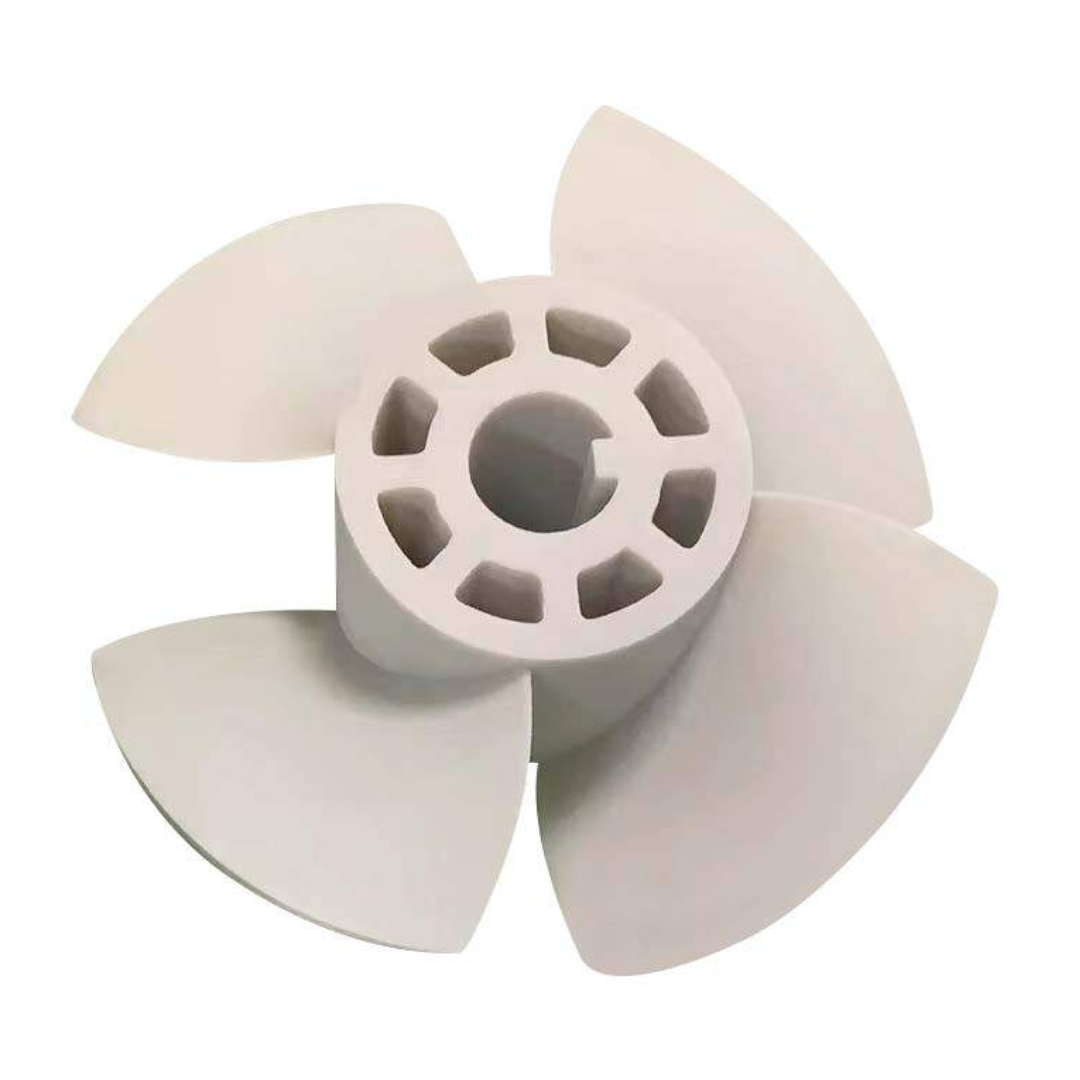
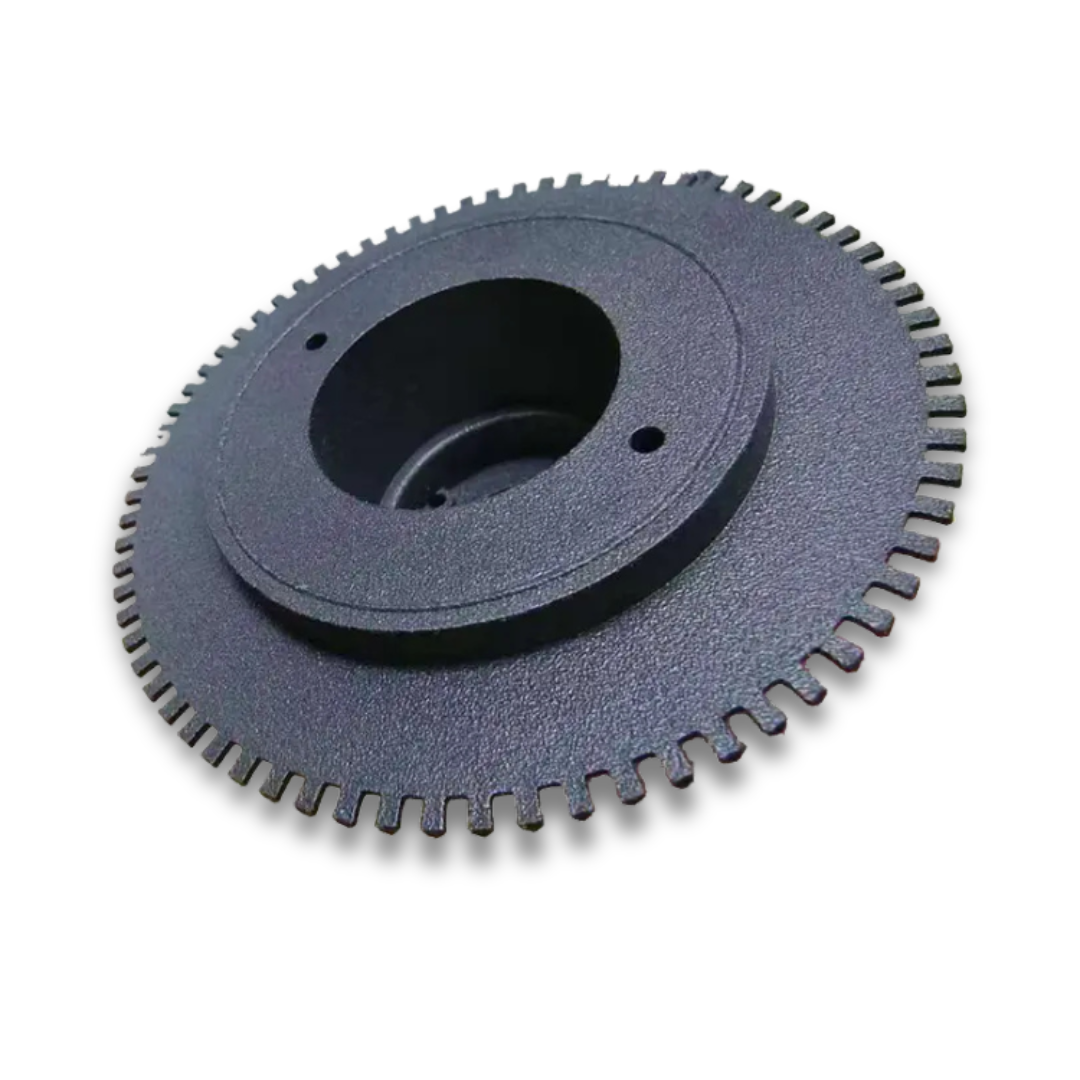
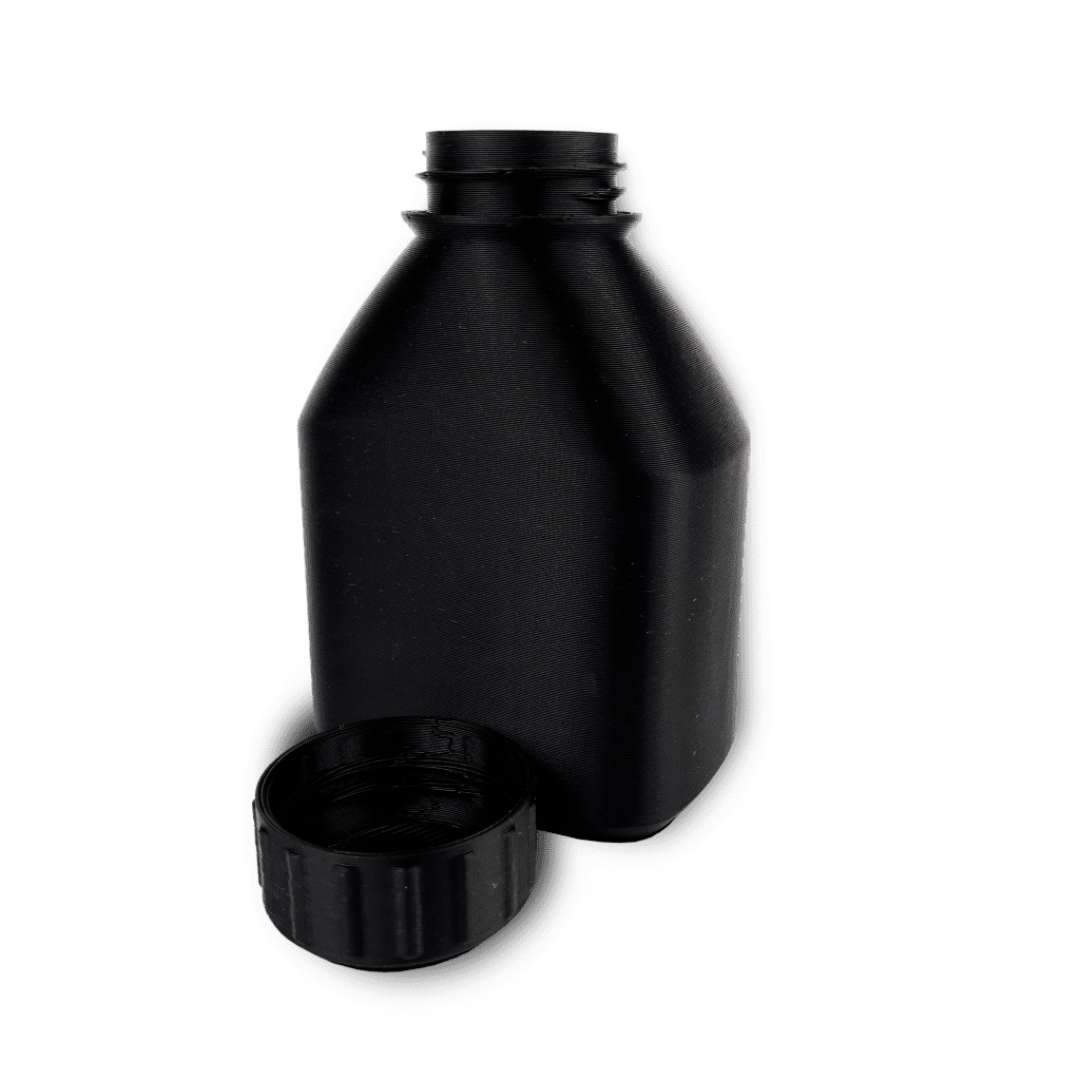
Enter Hybrid Manufacturing Technology—a powerful approach that combines the best of both worlds. By integrating 3D printing and CNC machining into a single streamlined workflow, this technology is redefining how we approach prototyping, complex geometries, and small-batch production.
What Is Hybrid Manufacturing Technology?
Hybrid manufacturing technology integrates two fundamentally different processes:
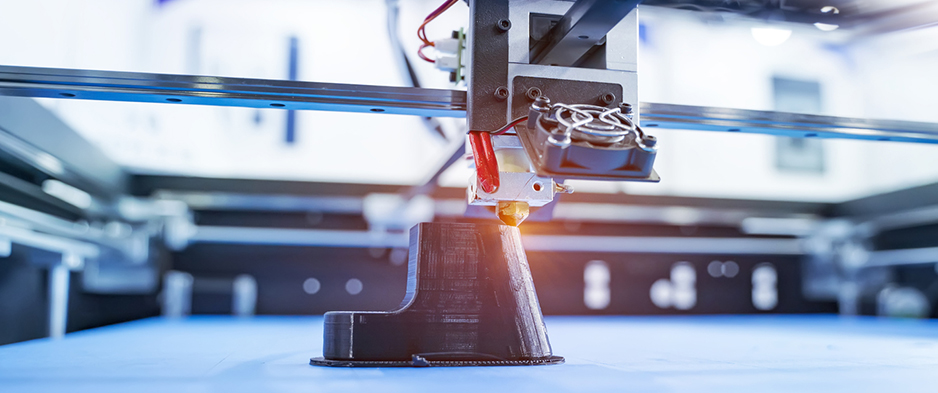
Additive manufacturing (3D printing): Builds parts layer by layer from digital files. This excels at creating internal channels, lattice structures, and organic shapes with minimal material waste.
Subtractive manufacturing (CNC machining): Removes material from a solid block using cutting tools. This delivers tight tolerances, smooth surface finishes, and excellent mechanical properties.
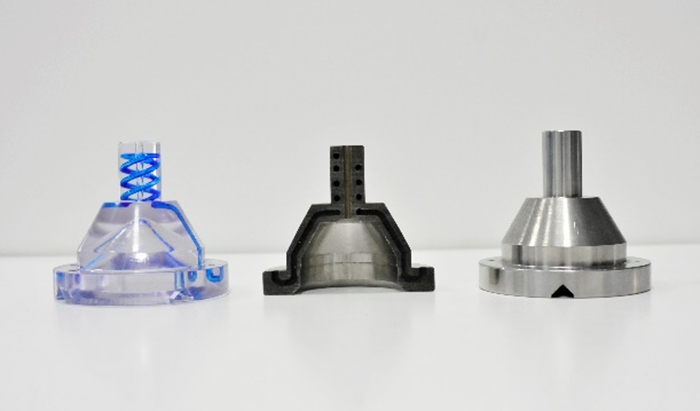
When combined, hybrid manufacturing technology applies 3D printing for the rough shape and CNC machining for the final precision. The result is a part that is both complex and accurate.
Why Use Hybrid Manufacturing Technology?
Complexity Without Compromise
You can now manufacture parts with intricate internal structures (ideal for lightweighting in aerospace or medical implants) while still achieving the tight tolerances and surface quality required for high-performance applications.Reduced Material Waste & Cost
3D printing uses only the material needed to build the part, dramatically reducing raw material waste compared to traditional machining alone. By using 3D printing for the “near-net shape,” you also reduce the time and tooling costs associated with CNC machining from a solid block.Faster Turnaround for Prototypes & Low-Volume Production
In product development, speed is critical. Use 3D printing for rapid prototyping to test form and fit, then immediately use CNC machining to refine the same part for functional testing. For custom, low-volume production runs, this hybrid approach is faster and more cost-effective than setting up dedicated production lines.Multi-Material Possibilities
Hybrid processes can combine different materials within a single part—for example, adding a wear-resistant metal in one area and a lighter structural material in another—optimizing performance exactly where it’s needed.
Real-World Applications
Prototyping: Go from a conceptual model to a functional, precision-tuned prototype in record time.
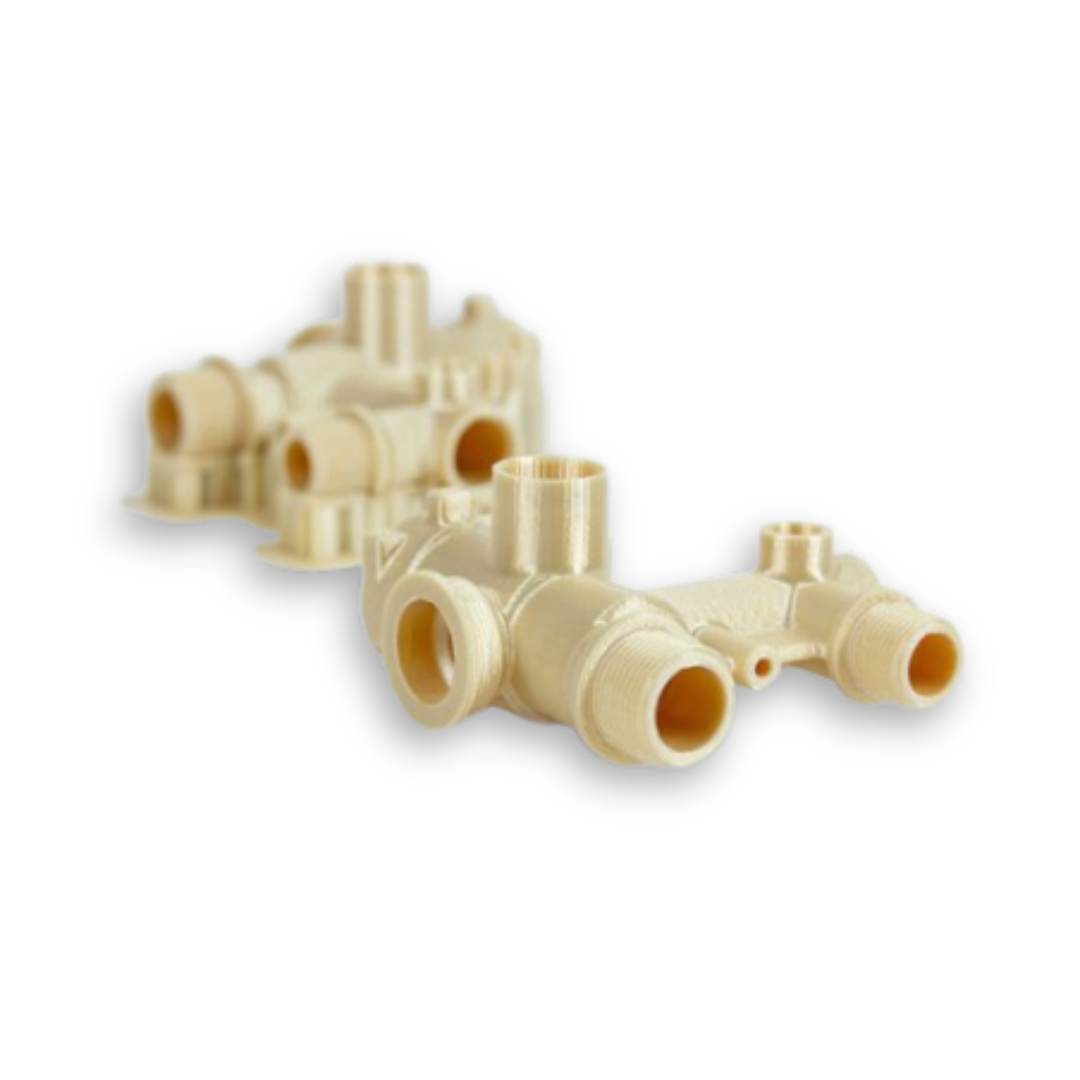
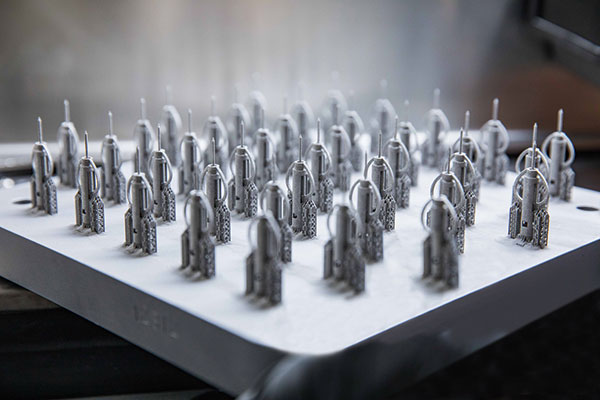
Complex End-Use Parts: Aerospace brackets, medical implants, and fluid handling components with internal channels.
Tooling & Molds: 3D print a mold core with conformal cooling channels, then CNC machine the mounting surfaces and cavities for perfect fit.
Challenges of Hybrid Manufacturing Technology
It’s important to be transparent: hybrid manufacturing is not without its hurdles. Process integration (seamlessly switching between printing and machining), higher initial equipment investment, and ensuring material compatibility require planning. However, for businesses focused on high-mix, low-volume production or complex engineered parts, the return on investment in capability and speed is substantial.
The Bottom Line
Hybrid manufacturing is not about replacing either 3D printing or CNC machining—it’s about amplifying the strengths of both. As intelligent automation and multi-material capabilities continue to evolve, this technology will become a cornerstone of modern, agile manufacturing.
Is your production ready for the hybrid future? Whether you are developing a new medical device, an aerospace component, or a complex industrial tool, combining additive and subtractive methods could be the competitive advantage you’ve been looking for.
3D Printing Service Malaysia , 3D Printing service Singapore , 3D Printing service KL , 3D Printing service Selangor, 3D Scanning Malaysia
Why Partner with Projet ?
Selecting the right manufacturing technology is important—but choosing the right manufacturing partner is what truly drives success. Companies across the electronics, automotive, consumer products, aerospace, and medical industries trust Projet because we are more than just a supplier; we are a dedicated partner in their success.
Here’s what sets us apart:
A True One-Stop Solution
We provide a seamless experience by offering a comprehensive suite of manufacturing services under one roof. This integrated approach streamlines your supply chain and simplifies the journey from concept to a market-ready product.
Engineering Expertise You Can Count On
Our experienced engineering team acts as a dedicated extension of your own. We excel at solving complex manufacturing challenges and collaborate closely with you to optimize your designs for quality, cost-effectiveness, and manufacturability.
Flexible Production Volumes to Match Your Needs
Whether you require a single prototype or a high-volume production run, our manufacturing capabilities are designed to scale with your demands. We support your product’s entire lifecycle, from initial launch to full-scale production.
Rapid Turnaround for a Faster Time-to-Market
In today’s fast-paced market, speed is a crucial advantage. We deliver fast, transparent quotes and pride ourselves on our rapid turnaround times, helping you get your innovative products to market sooner.
3D Printing Services
Instant Price