Skip links

Small Features, Big Possibilities: How Micro 3D Printing Transforms Precision Molding

Small Features, Big Possibilities: How Micro 3D Printing Transforms Precision Molding

As industries continue to develop smaller and more complex components, the demand for precision manufacturing is increasing.

Manufacturing components with microscopic features presents unique challenges, particularly when traditional tooling methods involve long lead times, complex processes and significant investment.

Micro 3D printing for molding offers an alternative approach by enabling engineers to produce highly detailed master molds for precision applications.

By combining high-resolution additive manufacturing with silicone-based molding processes, manufacturers can explore complex geometries, accelerate prototyping and improve design flexibility.

This creates new opportunities for precision manufacturing at the micro scale.

What Is Micro 3D Printing for Molding?

Micro 3D printing is an additive manufacturing technology that produces components with extremely small and detailed features.

Unlike conventional 3D printing, which often focuses on larger components, micro 3D printing specializes in manufacturing intricate structures that require high dimensional accuracy.

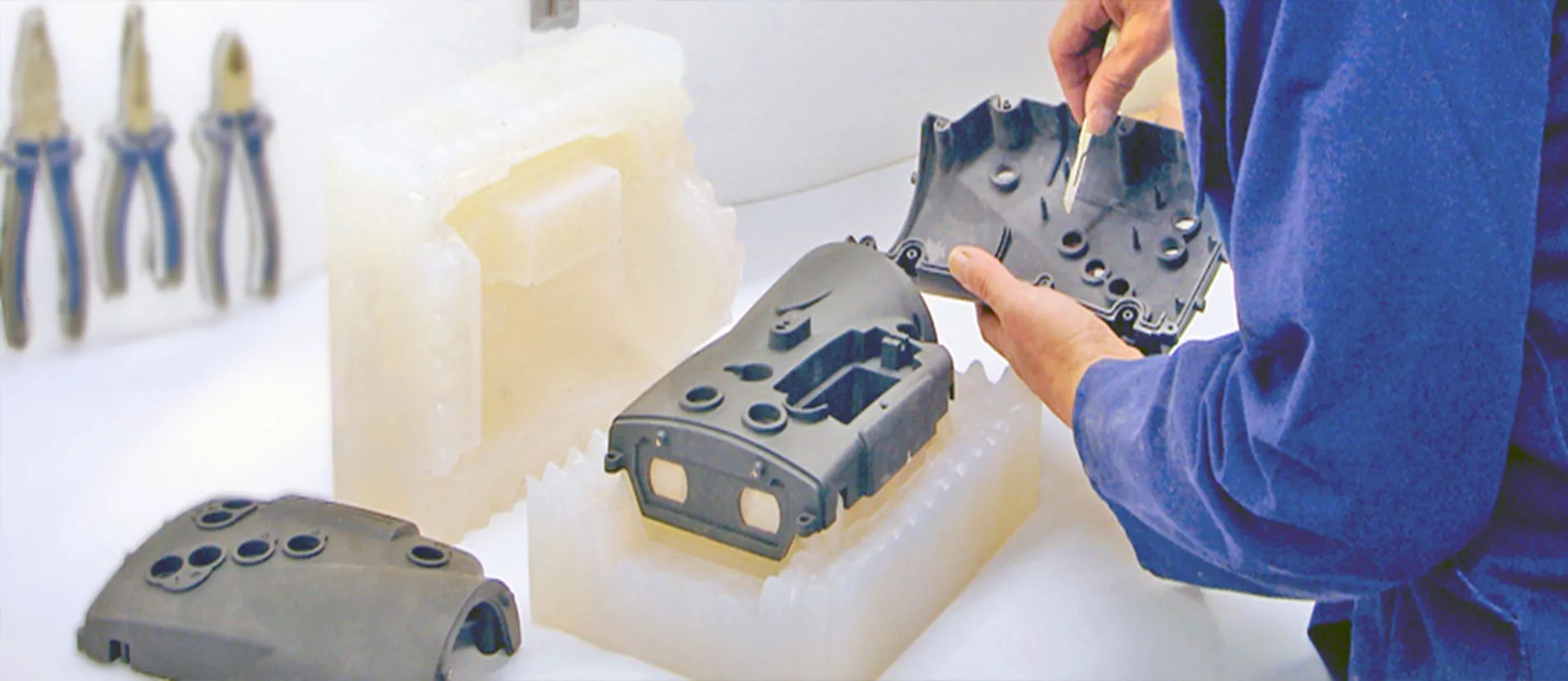
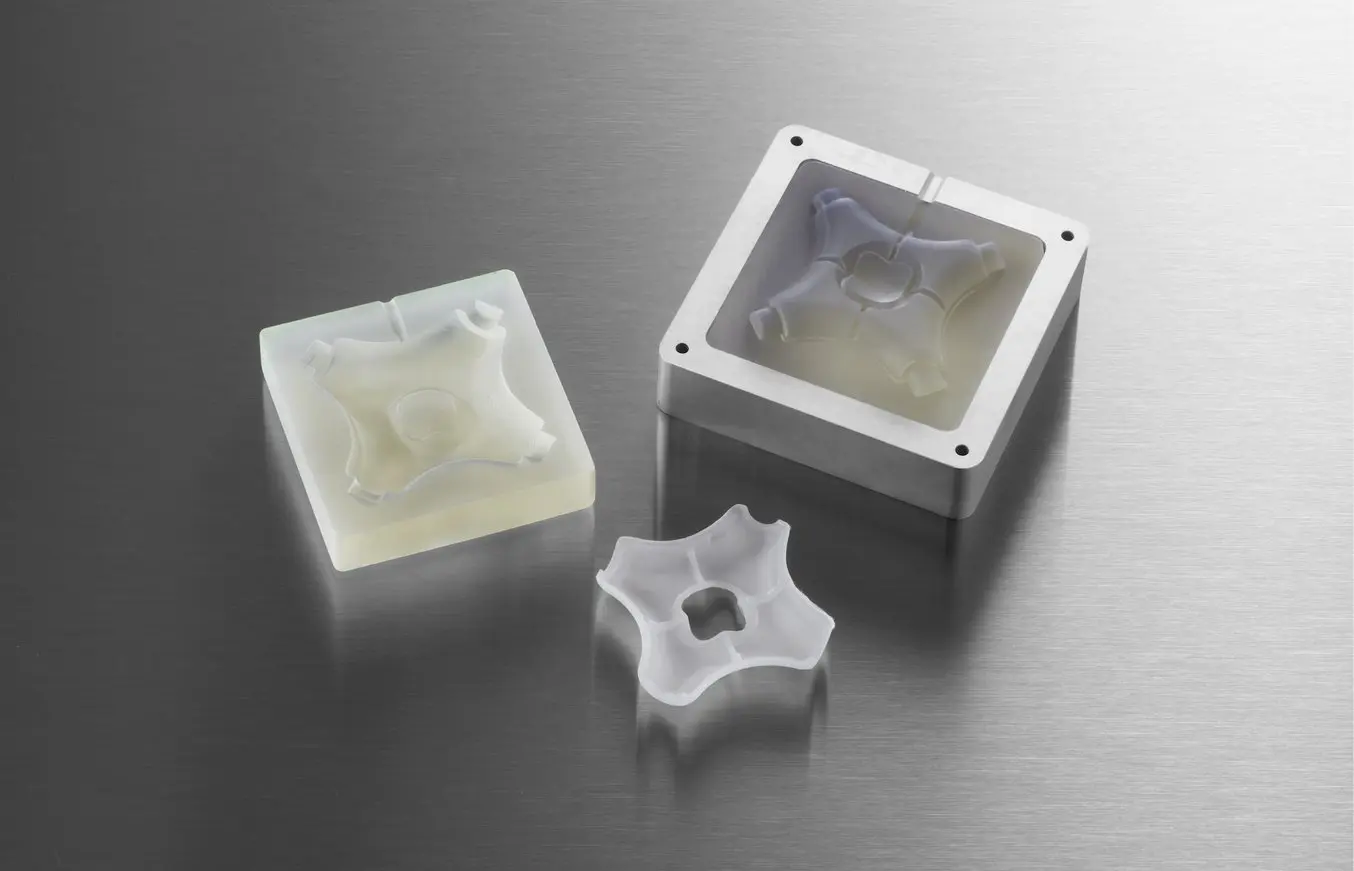
In precision molding, engineers can use this technology to produce master molds or patterns that serve as templates for creating molded components.

For example, a high-resolution printed master pattern can support molding with silicone-based materials such as polydimethylsiloxane (PDMS).

This approach allows manufacturers to reproduce fine features while reducing their reliance on conventional tooling during suitable development projects.

Why Use Micro 3D Printing for Precision Molding?
Micro 3D printing offers several advantages when developing small components with complex geometries.

1. High Precision and Detailed Features

Precision plays an important role in micro-scale manufacturing.

Components such as microfluidic channels, textured surfaces and miniature structures often require extremely fine features.

Micro 3D printing allows engineers to produce detailed master patterns that support these requirements.

With suitable printing technology and process parameters, manufacturers can reproduce intricate designs that may be challenging to achieve through conventional machining methods.

2. Faster Prototyping and Development

Traditional mold manufacturing can require significant preparation and tooling time.

For research and development projects, these delays may slow down design evaluation.

Micro 3D printing helps streamline prototyping by allowing engineers to produce master patterns directly from digital designs.

Development teams can then evaluate molded samples and refine their designs based on testing results.

This flexibility supports faster development cycles for suitable precision applications.

3. Greater Design Flexibility

Micro-scale components often involve complex shapes, detailed surface features and specialized geometries.

Conventional manufacturing methods may impose limitations on certain designs.

High-resolution 3D printing offers engineers additional freedom to explore these features.

By modifying digital models, designers can evaluate different mold geometries without rebuilding an entirely new conventional tooling setup.

This capability is especially valuable during early product development.

4. Lower Initial Tooling Investment

Conventional precision tooling may involve specialized equipment and complex manufacturing processes.

These requirements can create high upfront costs, particularly for low-volume or experimental projects.

Micro 3D printing provides another option by enabling manufacturers to produce suitable master molds without relying entirely on traditional tooling methods.

For certain applications, this approach can reduce initial tooling investment and support more economical design evaluation.

5. Rapid Design Iteration

Product development rarely ends with the first prototype.

Engineers often need to adjust dimensions, evaluate different geometries or improve component functionality.

Micro 3D printing makes these changes easier by allowing designers to update digital models and produce revised master patterns.

This process helps development teams test multiple design variations more efficiently.
Applications of Micro 3D Printing in Precision Molding

Micro 3D printing supports various applications that require detailed features and small component dimensions.

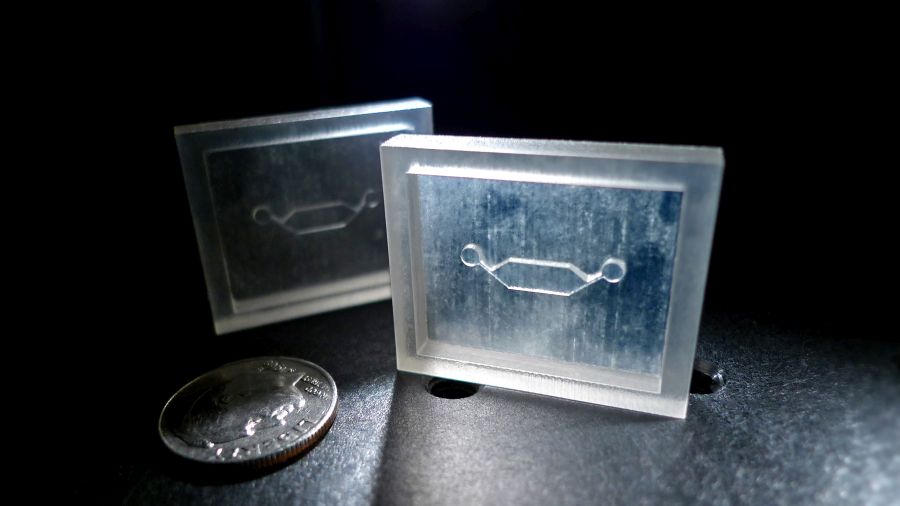
Microfluidic Devices

Microfluidic devices contain miniature channels that control the movement of small amounts of fluid.

Producing these channels requires accurate dimensions and detailed internal features.

Micro 3D printing can support the development of master molds with intricate channel patterns.

Engineers can use these patterns to create molded components for research, testing and device development.

Medical Device Prototyping

Medical device research often involves miniature components with specialized shapes and features.

High-resolution additive manufacturing allows developers to explore complex geometries and produce detailed prototypes.

Micro 3D printed master molds can support the development of selected components for research and design evaluation.

However, medical applications require additional consideration of material suitability, performance and applicable regulatory requirements.

Microneedle Structures

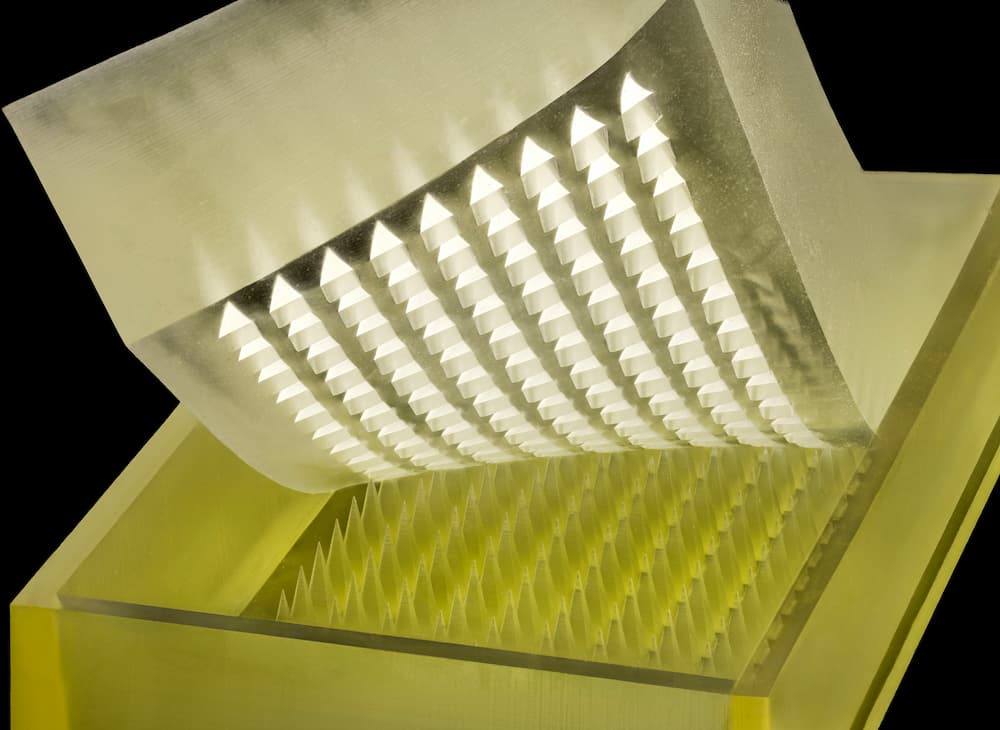
Microneedle designs involve extremely small features that require precise geometry and spacing.

Micro 3D printing can help engineers create master patterns with detailed needle-shaped structures.

These patterns may support research into molding processes and the development of experimental micro-scale components.

Micro-Textured Surfaces

Surface texture can influence how a component interacts with its surrounding environment.

Some applications require fine patterns or specialized microstructures that conventional manufacturing methods may struggle to reproduce.

Micro 3D printing allows designers to explore detailed surface features for molding and precision research applications.

Key Considerations for Successful Micro-Molding

Although micro 3D printing offers significant design flexibility, successful molding requires careful planning.

Engineers must consider several important factors when developing printed master molds.

Material Compatibility

The printed master pattern must be compatible with the selected molding material and curing conditions.

Suitable material selection helps reduce potential molding defects and supports consistent processing.

Surface Finish

The surface quality of the master pattern influences the finish of the molded component.

Smooth surfaces may also help simplify the release of delicate molded features.

Mold Geometry

Complex features, sharp corners and undercuts can affect how easily the molded component separates from the master pattern.

Engineers should consider suitable draft angles and feature geometry during the design stage.

Post-Processing

Proper cleaning and curing of printed master patterns are important for molding performance.

Incomplete post-processing can affect material compatibility and interfere with the curing of certain silicone materials.

Design Validation

Testing remains essential when developing micro-scale components.

Engineers should evaluate dimensional accuracy, mold release and component quality before proceeding with further manufacturing.

By considering these factors, manufacturers can improve the reliability of their micro-molding process.

3D Printing Service Malaysia , 3D Printing service Singapore ,  3D Printing service KL , 3D Printing service Selangor, 3D Scanning Malaysia

Why Partner with Projet ?

Selecting the right manufacturing technology is important—but choosing the right manufacturing partner is what truly drives success. Companies across the electronics, automotive, consumer products, aerospace, and medical industries trust Projet because we are more than just a supplier; we are a dedicated partner in their success.

Here’s what sets us apart:

A True One-Stop Solution

We provide a seamless experience by offering a comprehensive suite of manufacturing services under one roof. This integrated approach streamlines your supply chain and simplifies the journey from concept to a market-ready product.

Engineering Expertise You Can Count On

Our experienced engineering team acts as a dedicated extension of your own. We excel at solving complex manufacturing challenges and collaborate closely with you to optimize your designs for quality, cost-effectiveness, and manufacturability.

Flexible Production Volumes to Match Your Needs

Whether you require a single prototype or a high-volume production run, our manufacturing capabilities are designed to scale with your demands. We support your product’s entire lifecycle, from initial launch to full-scale production.

Rapid Turnaround for a Faster Time-to-Market

In today’s fast-paced market, speed is a crucial advantage. We deliver fast, transparent quotes and pride ourselves on our rapid turnaround times, helping you get your innovative products to market sooner.

3D Printing Services

Instant Price
PMMA Like Resin

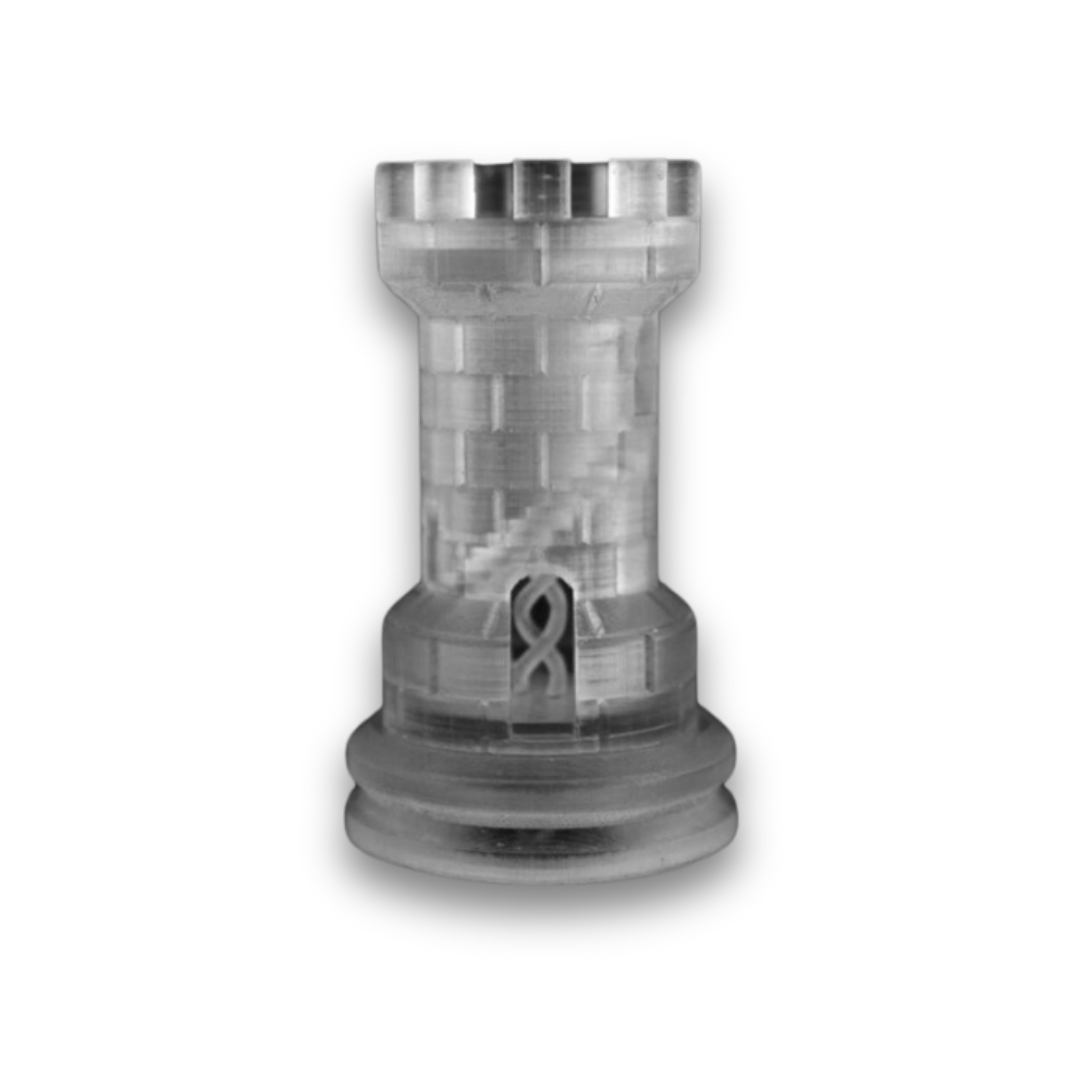
PMMA Like clear resin has high transparency and anti-yellowing, suitable for high transparency applications in non-high temperature environments. The transparent resin has imitation acrylic, glass appearance.

Suitable for: SLA

Application

  • Prototype
  • End-User part

Application Fields

  • Aerospace: YES
  • Automotive: YES
  • Industrial Machinery: YES
  • Consumer Electronics: YES
  • Automation: YES
  • Medical: YES
  • Education Community: YES

Material Property

  • Density(g/cm3): 1.05
  • Tensile Strength(MPa): 40
  • Flex Modulus(MPa): 40
  • Elongation(%): 32
  • Heat Distortion Temp(°C): –
  • Hardness Shore D: 78

Nylon12 Glass Fibre40 Blue-gray

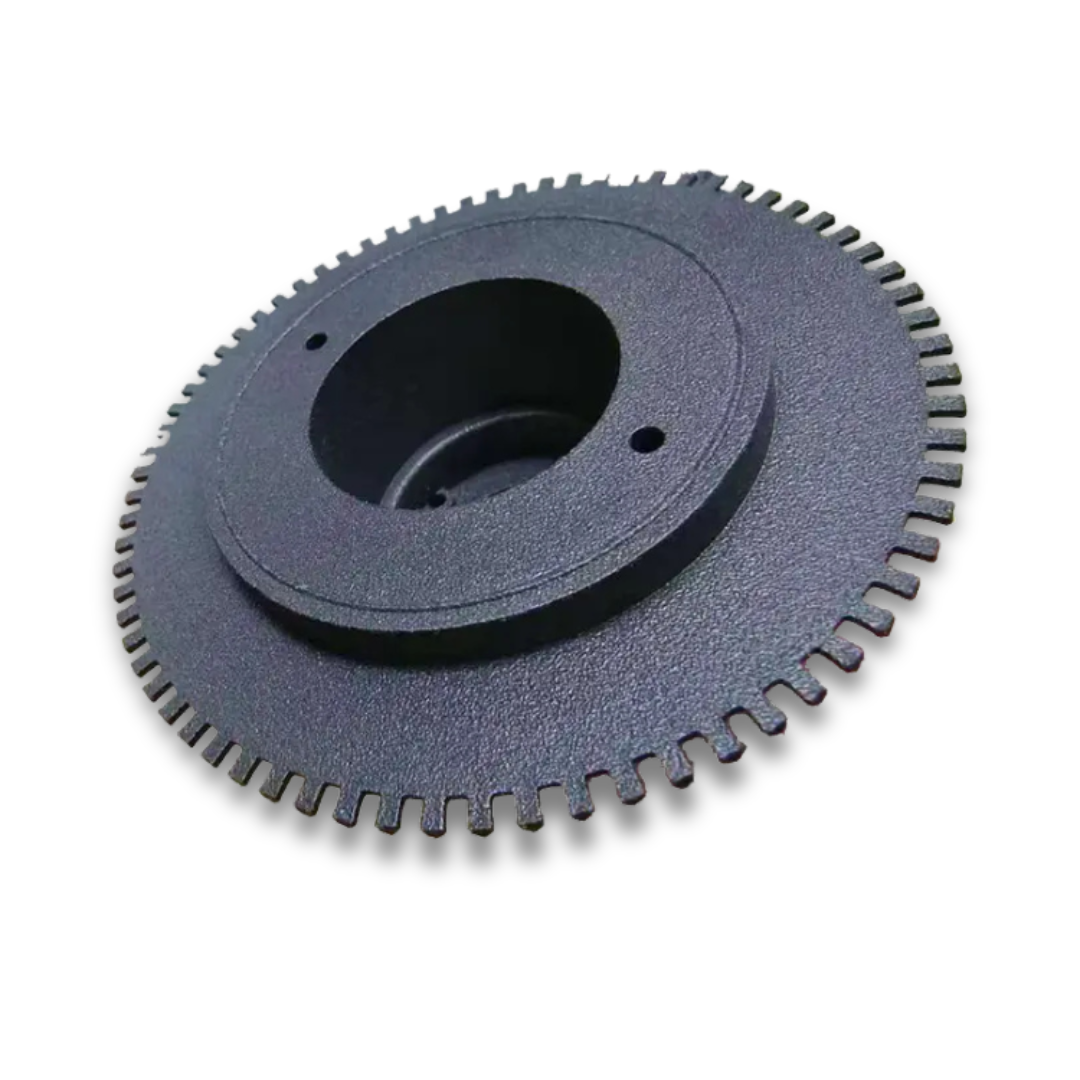
This grey-blue composite nylon powder, enhanced with 40% glass beads, creates 3D-printed parts with exceptional stiffness and heat resistance. Powder reuse rate can reach up to 100%.

Suitable for: SLS

Application

  • Prototype
  • End-User part

Application Fields

  • Aerospace: YES
  • Automotive: YES
  • Industrial Machinery: YES
  • Consumer Electronics: YES
  • Automation: YES
  • Medical: YES
  • Education Community: YES

Material Property

  • Density(g/cm3): 0.72
  • Tensile Strength(MPa): 46
  • Flex Modulus(MPa): 2,800
  • Elongation(%): –
  • Heat Distortion Temp(°C): 160
  • Hardness Shore D: –

Nylon 12 Glass Fibre 30

PA12GB30 is a high-performance material with excellent chemical, mechanical, and thermal properties, ideal for engineering applications. Compared to PA6, it absorbs significantly less moisture, preserving strength and shape in humid environments. With added glass fiber reinforcement, it offers enhanced durability, stiffness, and stability, making it a reliable choice for demanding conditions.

Suitable for: SLS

Application

  • Prototype
  • End-User part

Application Fields

  • Aerospace: YES
  • Automotive: YES
  • Industrial Machinery: YES
  • Consumer Electronics: YES
  • Automation: YES
  • Medical: YES
  • Education Community: YES

Material Property

  • Density(g/cm3): 1.25
  • Tensile Strength(MPa): 62.6
  • Flex Modulus(MPa): 2,340
  • Elongation(%): 6.8
  • Heat Distortion Temp(°C): 160
  • Hardness Shore D: –

Rubber Like Resin

Rubber-like resin has a low tensile modulus and high elongation at break, making it well-suited for objects that will be bent or compressed.

Suitable for: SLA

Application

  • Prototype
  • End-User part

Application Fields

  • Aerospace: YES
  • Automotive: YES
  • Industrial Machinery: YES
  • Consumer Electronics: YES
  • Automation: YES
  • Medical: YES
  • Education Community: YES

Material Property

  • Density(g/cm3): –
  • Tensile Strength(MPa): 7.9
  • Flex Modulus(MPa): –
  • Elongation(%): 255.1
  • Heat Distortion Temp(°C): –
  • Hardness Shore D: 60-75

ABS Like Resin

ABS-like resin excels in high precision, providing a smooth surface quality with exquisite detail features. Known for its superior forming dimensional stability, this resin is ideal for the assembly and testing of various engineering models. Achieving a perfect balance between tensile strength and hardness, it prevents brittleness with its high elongation at break, ensuring resistance to breaking.

Suitable for: SLA

Application

  • Prototype
  • End-User part

Application Fields

  • Aerospace: YES
  • Automotive: YES
  • Industrial Machinery: YES
  • Consumer Electronics: YES
  • Automation: YES
  • Medical: YES
  • Education Community: YES

Material Property

  • Density(g/cm3): 1.05-1.13
  • Tensile Strength(MPa): 42-62
  • Flex Modulus(MPa): 60-80
  • Elongation(%): 11-21
  • Heat Distortion Temp(°C): –
  • Hardness Shore D: 75-80

Nylon-Like Resin

Nylon-like resin is a high-strength material known for its excellent durability and long-term stability. It also boasts exceptional toughness and impact resistance.

Suitable for: SLA

Application

  • Prototype
  • End-User part

Application Fields

  • Aerospace: YES
  • Automotive: YES
  • Industrial Machinery: YES
  • Consumer Electronics: YES
  • Automation: YES
  • Medical: YES
  • Education Community: YES

Material Property

  • Density(g/cm3): 1.05-1.15
  • Tensile Strength(MPa): 68
  • Flex Modulus(MPa): 35
  • Elongation(%): 15
  • Heat Distortion Temp(°C): –
  • Hardness Shore D: 75

Hard Tough Resin

This hard resin boasts higher toughness and impact resistance compared to standard ABS-like resin, making it exceptionally well-suited for mechanical prototypes.

Suitable for: SLA

Application

  • Prototype
  • End-User part

Application Fields

  • Aerospace: YES
  • Automotive: YES
  • Industrial Machinery: YES
  • Consumer Electronics: YES
  • Automation: YES
  • Medical: YES
  • Education Community: YES

Material Property

  • Density(g/cm3): 1.08-1.12
  • Tensile Strength(MPa): 30-60
  • Flex Modulus(MPa): 30-75
  • Elongation(%): 35-52
  • Heat Distortion Temp(°C): 60
  • Hardness Shore D: 75-81

High Temp Resin

High Temp Resin is characterized by high hardness, strength, modulus, and precision. It exhibits resistance to prolonged heating at 120°C or boiling at 100°C, showcasing excellent mechanical properties, weather resistance, and temperature resistance.

Suitable for: SLA

Application

  • Prototype
  • End-User part

Application Fields

  • Aerospace: YES
  • Automotive: YES
  • Industrial Machinery: YES
  • Consumer Electronics: YES
  • Automation: YES
  • Medical: YES
  • Education Community: NO

Material Property

  • Density(g/cm3): 1.09-1.10
  • Tensile Strength(MPa): 70-85
  • Flex Modulus(MPa): 95-105
  • Elongation(%): 35-40
  • Heat Distortion Temp(°C): 100.5
  • Hardness Shore D: 82-84

General Resin

General resin, known for its high rigidity, proves to be a versatile material ideal for both functional testing and rapid prototype.

Suitable for: SLA

Application

  • Prototype

Application Fields

  • Aerospace: NO
  • Automotive: YES
  • Industrial Machinery: NO
  • Consumer Electronics: YES
  • Automation: YES
  • Medical: NO
  • Education Community: YES

Material Property

  • Density(g/cm3): 1.08-1.13
  • Tensile Strength(MPa): 46-67
  • Flex Modulus(MPa): 46-72
  • Elongation(%): 28-36
  • Heat Distortion Temp(°C): –
  • Hardness Shore D: 78-82

Ultem1010 PEI (Polyetherimide)

PEI is a high-performance industrial-grade thermoplastic known for its strength, durability, and low flammability. This versatile material finds applications in various industries, including automotive, aerospace, medicine, and dentistry.

Suitable for: FDM

Application

  • Prototype
  • End-User part

Application Fields

  • Aerospace: YES
  • Automotive: YES
  • Industrial Machinery: YES
  • Consumer Electronics: NO
  • Automation: YES
  • Medical: NO
  • Education Community: NO

Material Property

  • Density(g/cm3): 1.27
  • Tensile Strength(MPa): 90
  • Flex Modulus(MPa): 3427
  • Elongation(%): 3.3
  • Heat Distortion Temp(°C): 207
  • Hardness Shore D: –

Ultem9085 PEI (Polyetherimide)

PEI is a high-performance industrial-grade thermoplastic known for its strength, durability, and low flammability. This versatile material finds applications in various industries, including automotive, aerospace, medicine, and dentistry.

Suitable for: FDM

Application

  • Prototype
  • End-User part

Application Fields

  • Aerospace: YES
  • Automotive: YES
  • Industrial Machinery: YES
  • Consumer Electronics: NO
  • Automation: YES
  • Medical: NO
  • Education Community: NO

Material Property

  • Density(g/cm3): 1.34
  • Tensile Strength(MPa): 86
  • Flex Modulus(MPa): 2340
  • Elongation(%): 4
  • Heat Distortion Temp(°C): 150
  • Hardness Shore D: –

PEEK (Polyether ether ketone)

PEEK (polyetheretherketone) is a high-performance semi-crystalline industrial thermoplastic known for its exceptional resistance to harsh chemicals, minimal moisture absorption, excellent fire performance, superior mechanical strength over a wide temperature range, and reliable dimensional stability.

Suitable for: FDM

Application

  • Prototype
  • End-User part

Application Fields

  • Aerospace: YES
  • Automotive: YES
  • Industrial Machinery: YES
  • Consumer Electronics: YES
  • Automation: YES
  • Medical: YES
  • Education Community: YES

Material Property

  • Density(g/cm3): 1.29
  • Tensile Strength(MPa): 100
  • Flex Modulus(MPa): 4200
  • Elongation(%): 40
  • Heat Distortion Temp(°C): 140
  • Hardness Shore D: –

PET-CF (Carbon fiber reinforced polyethylene terephthalate)

PET-CF emerges as a superior choice over nylon for printing functional parts in high-humidity environments. Its high-temperature resistance and minimal warping make it ideal for crafting mechanical assembly parts, including automotive accessories and fixtures. In comparison to PETG-CF, PET-CF contains a higher concentration of carbon fibre, resulting in significantly greater strength and high temperature resistance.

Suitable for: FDM

Application

  • Prototype
  • End-User part

Application Fields

  • Aerospace: YES
  • Automotive: YES
  • Industrial Machinery: YES
  • Consumer Electronics: YES
  • Automation: YES
  • Medical: YES
  • Education Community: YES

Material Property

  • Density(g/cm3): 1.29
  • Tensile Strength(MPa): 131
  • Flex Modulus(MPa): 5320
  • Elongation(%): 1.2
  • Heat Distortion Temp(°C): 205
  • Hardness Shore D: –

PAHT-CF (High temperature polyamide carbon fiber reinforced)

A composite of PA and carbon fibre, merges the low water absorption advantage of PA with the high-performance attributes of carbon fibre. This combination yields excellent mechanical and thermal properties that remain robust even in wet conditions. PA+CF is prized for its outstanding chemical resistance, low moisture absorption, and versatile processing capabilities.

Suitable for: FDM

Application

  • Prototype
  • End-User part

Application Fields

  • Aerospace: YES
  • Automotive: YES
  • Industrial Machinery: YES
  • Consumer Electronics: YES
  • Automation: YES
  • Medical: YES
  • Education Community: YES

Material Property

  • Density(g/cm3): 1.06
  • Tensile Strength(MPa): 125
  • Flex Modulus(MPa): 4230
  • Elongation(%): 1.8
  • Heat Distortion Temp(°C): 194
  • Hardness Shore D: –

PLA-CF (Carbon fiber reinforced polylactic acid)

Carbon fibber reinforced PLA, stands out for its remarkable increase in stiffness and strength. This cutting-edge bio-polymer, when combined with recycled carbon fibber reinforcement, results in a higher mechanical properties

Suitable for: FDM

Application

  • Prototype
  • End-User part

Application Fields

  • Aerospace: YES
  • Automotive: YES
  • Industrial Machinery: YES
  • Consumer Electronics: YES
  • Automation: YES
  • Medical: YES
  • Education Community: YES

Material Property

  • Density(g/cm3): 1.22
  • Tensile Strength(MPa): 89
  • Flex Modulus(MPa): 3950
  • Elongation(%): 3.2
  • Heat Distortion Temp(°C): 55
  • Hardness Shore D: –

ESD-safe (Electrostatic discharge)

It exhibits excellent antistatic performance, making it particularly suitable for fields that require ESD protection.

Suitable for: FDM

Application

  • Prototype
  • End-User part

Application Fields

  • Aerospace: YES
  • Automotive: YES
  • Industrial Machinery: YES
  • Consumer Electronics: YES
  • Automation: YES
  • Medical: YES
  • Education Community: YES

Material Property

  • Density(g/cm3): 1.08-1.11
  • Tensile Strength(MPa): 55
  • Flex Modulus(MPa): 2300
  • Elongation(%): 5
  • Heat Distortion Temp(°C): 95
  • Surface Resistance: 107 and 109 ohms Ω

UL 94-V0

It possesses higher mechanical properties and is halogen-free, environmentally friendly, and flame retardant, achieving a UL94V-0 level flame retardancy. This makes the product more fireproof and safer.

Suitable for: FDM

Application

  • Prototype
  • End-User part

Application Fields

  • Aerospace: YES
  • Automotive: YES
  • Industrial Machinery: YES
  • Consumer Electronics: YES
  • Automation: YES
  • Medical: NO
  • Education Community: YES

Material Property

  • Density(g/cm3): 1.05
  • Tensile Strength(MPa): 35
  • Flex Modulus(MPa): 2280
  • Elongation(%): 10
  • Heat Distortion Temp(°C): 100
  • Hardness Shore D: –

ASA (Acrylonitrile styrene acrylate)

ASA shares excellent mechanical properties with ABS but offers additional benefits. It is more resistant to ultraviolet rays and harsh weather conditions, making it particularly suitable for outdoor use. ASA boasts strong toughness, rigidity, and high impact resistance.

Suitable for: FDM

Application

  • Prototype
  • End-User part

Application Fields

  • Aerospace: NO
  • Automotive: YES
  • Industrial Machinery: YES
  • Consumer Electronics: YES
  • Automation: YES
  • Medical: NO
  • Education Community: YES

Material Property

  • Density(g/cm3): 1
  • Tensile Strength(MPa): 45
  • Flex Modulus(MPa): 1900
  • Elongation(%): 30
  • Heat Distortion Temp(°C): 86
  • Hardness Shore D: –

PP (Polypropylene)

Polypropylene (PP) is a popular material in 3D printing, valued for its versatility, strength, and chemical resistance. This lightweight and flexible plastic stands up well to acids, bases, and organic solvents, making it suitable for a range of applications. Additionally, PP is considered food-safe, though standard 3D printing food safety guidelines should still be followed.

Suitable for: FDM

Application

  • Prototype
  • End-User part

Application Fields

  • Aerospace: YES
  • Automotive: YES
  • Industrial Machinery: YES
  • Consumer Electronics: YES
  • Automation: YES
  • Medical: YES
  • Education Community: YES

Material Property

  • Density(g/cm3): 1.05
  • Tensile Strength(MPa): 26
  • Flex Modulus(MPa): 1200
  • Elongation(%): 30
  • Heat Distortion Temp(°C): 60-80
  • Hardness Shore D: –

PC (Polycarbonates)

PC is a high-performance material known for its toughness, heat resistance, dimensional stability, and high optical clarity. It exhibits excellent mechanical properties, high toughness, and impact resistance, making it stable and durable. Additionally, PC offers impressive temperature resistance, with a heat distortion temperature up to 80 ℃.

Suitable for: FDM

Application

  • Prototype
  • End-User part

Application Fields

  • Aerospace: YES
  • Automotive: YES
  • Industrial Machinery: YES
  • Consumer Electronics: YES
  • Automation: YES
  • Medical: YES
  • Education Community: YES

Material Property

  • Density(g/cm3): 1.21
  • Tensile Strength(MPa): 54
  • Flex Modulus(MPa): 1073
  • Elongation(%): 150
  • Heat Distortion Temp(°C): 80
  • Hardness Shore D: –

Nylon / PA (Polyamide)

Nylon is a versatile material known for its good flexibility, wear resistance, and high strength-to-weight ratio. PA12, in particular, exhibits high toughness and impact resistance.

Suitable for: FDM

Application

  • Prototype
  • End-User part

Application Fields

  • Aerospace: YES
  • Automotive: YES
  • Industrial Machinery: YES
  • Consumer Electronics: YES
  • Automation: YES
  • Medical: YES
  • Education Community: YES

Material Property

  • Density(g/cm3): 1.21
  • Tensile Strength(MPa): 50
  • Flex Modulus(MPa): 659
  • Elongation(%): 165
  • Heat Distortion Temp(°C): 100
  • Hardness Shore D: –

HIPS

HIPS is a multifunctional material. It shares many mechanical properties with ABS plastic, but as the name suggests, it has a much higher resistance to impact. This added strength makes HIPS an excellent choice for creating durable 3D-printed parts that can withstand everyday wear and tear.

Suitable for: FDM

Application

  • Prototype
  • End-User part

Application Fields

  • Aerospace: YES
  • Automotive: YES
  • Industrial Machinery: YES
  • Consumer Electronics: YES
  • Automation: YES
  • Medical: YES
  • Education Community: YES

Material Property

  • Density(g/cm3): 1.04
  • Tensile Strength(MPa): 40
  • Flex Modulus(MPa): 1600
  • Elongation(%): 18
  • Heat Distortion Temp(°C): 80
  • Hardness Shore D: –

TPU (Thermoplastic polyurethane)

TPU material is renowned for its excellent flexibility, high elasticity, tear resistance, wear resistance, cut resistance, sturdiness, and durability.

Suitable for: FDM

Application

  • Prototype
  • End-User part

Application Fields

  • Aerospace: YES
  • Automotive: NO
  • Industrial Machinery: YES
  • Consumer Electronics: YES
  • Automation: YES
  • Medical: NO
  • Education Community: YES

Material Property

  • Density(g/cm3): 1.21
  • Tensile Strength(MPa): 35
  • Flex Modulus(MPa): –
  • Elongation(%): ≥800
  • Heat Distortion Temp(°C): –
  • Hardness Shore D: 95A

PETG (Polyethylene terephthalate glycol)

PETG is a robust material known for its odor neutrality and ease of printing. These characteristics, combined with high impact strength, flexibility, low shrinkage, water resistance, chemical resistance, and high toughness, make PETG an excellent choice for a variety of applications.

Suitable for: FDM

Application

  • Prototype
  • End-User part

Application Fields

  • Aerospace: NO
  • Automotive: YES
  • Industrial Machinery: YES
  • Consumer Electronics: YES
  • Automation: YES
  • Medical: YES
  • Education Community: YES

Material Property

  • Density(g/cm3): 1.27
  • Tensile Strength(MPa): 52
  • Flex Modulus(MPa): 1073
  • Elongation(%): 83
  • Heat Distortion Temp(°C): 64
  • Hardness Shore D: –

ABS (Acrylonitrile butadiene styrene)

ABS is a lightweight material known for its high impact resistance. These characteristics, coupled with a high heat deflection temperature, render ABS suitable for a wide range of applications and environments.

Suitable for: FDM

Application

  • Prototype
  • End-User part

Application Fields

  • Aerospace: YES
  • Automotive: YES
  • Industrial Machinery: YES
  • Consumer Electronics: YES
  • Automation: YES
  • Medical: NO
  • Education Community: YES

Material Property

  • Density(g/cm3): 1.06
  • Tensile Strength(MPa): 40
  • Flex Modulus(MPa): 1203
  • Elongation(%): 30
  • Heat Distortion Temp(°C): 73
  • Hardness Shore D: –

PLA (Polylactic acid)

PLA is an environmentally friendly biopolymer-based material that is both stiff and easy to print. It is available in a wide variety of colours.

Suitable for: FDM

Application

  • Prototype

Application Fields

  • Aerospace: NO
  • Automotive: YES
  • Industrial Machinery: NO
  • Consumer Electronics: YES
  • Automation: YES
  • Medical: NO
  • Education Community: YES

Material Property

  • Density(g/cm3): 1.23
  • Tensile Strength(MPa): 60
  • Flex Modulus(MPa): 1973
  • Elongation(%): 20
  • Heat Distortion Temp(°C): 40
  • Hardness Shore D: –