

Navigating the Future: How 3D Printing is Revolutionizing the Maritime Industry
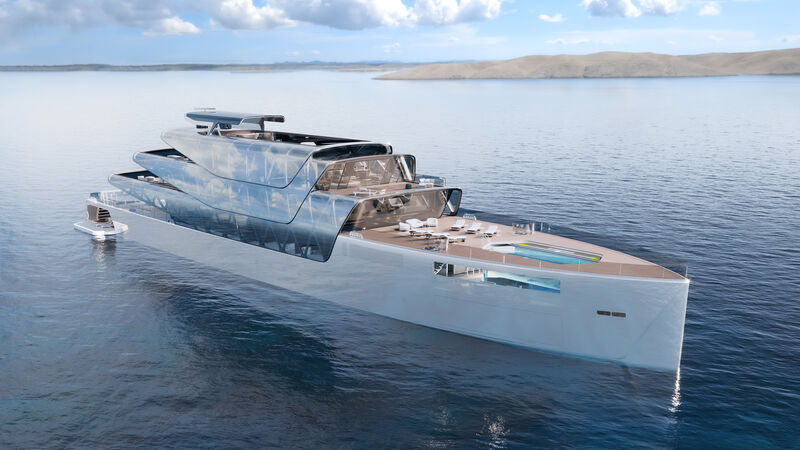
The maritime industry, a cornerstone of global trade and transportation, is undergoing a technological transformation. For decades, shipbuilding and maintenance relied on traditional manufacturing methods. However, these methods were often slow and wasteful. Today, additive manufacturing, commonly known as 3D printing, is emerging as a powerful force for change. Specifically, it promises to make vessels lighter, repairs faster, and operations more sustainable.
This guide explores how 3D printing is integrating into the maritime sector. For instance, we examine applications ranging from complex engine components to entire boat hulls. Furthermore, we will navigate the key technologies, materials, and benefits driving this shift. As a result, additive manufacturing is moving from a novel experiment to a strategic necessity on the high seas.
The Technology and Materials Powering Maritime 3D Printing
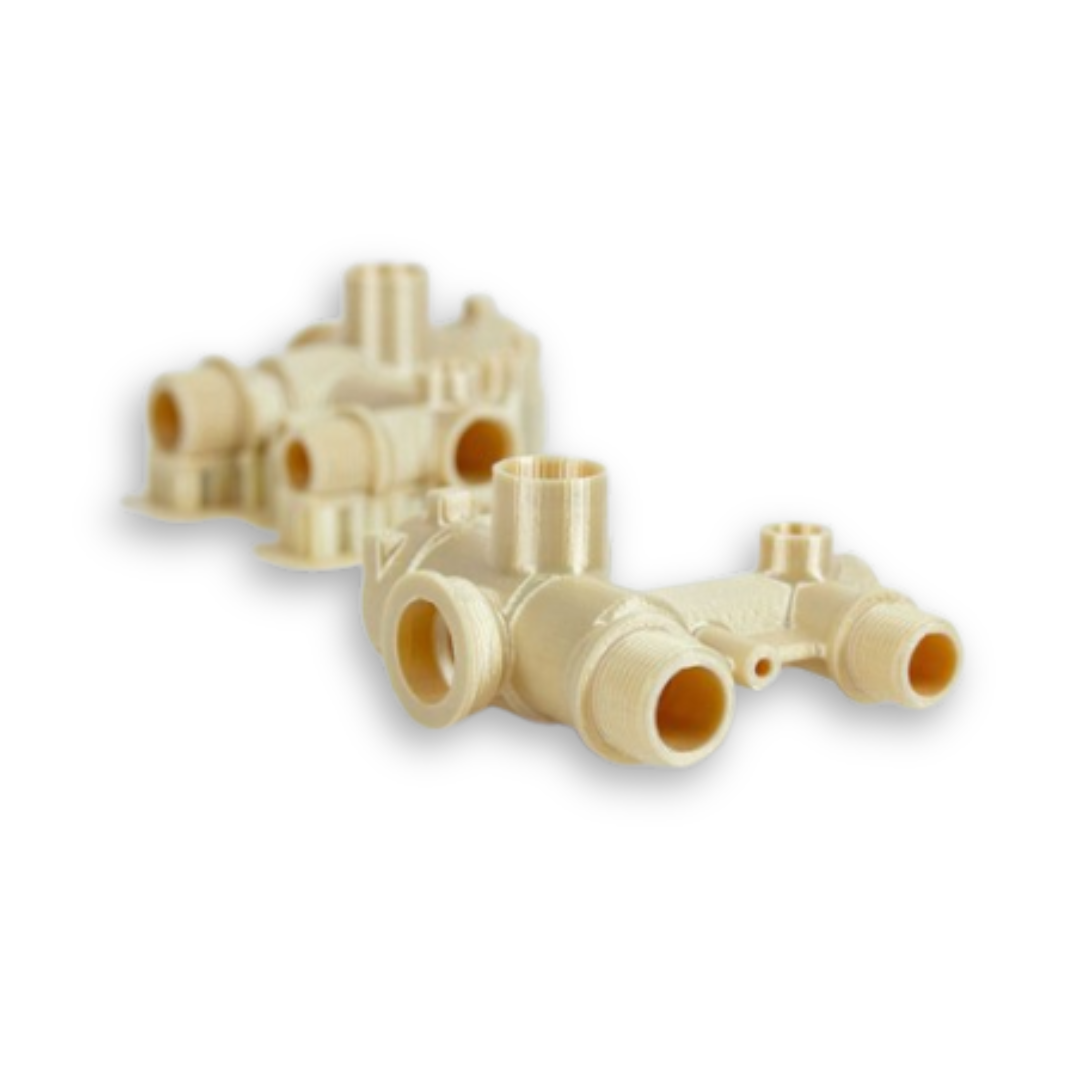
The harsh marine environment demands exceptional durability and corrosion resistance. In particular, parts must withstand constant saltwater exposure, UV radiation, and physical stresses. Consequently, several advanced 3D printing technologies are meeting these demands. Fused Deposition Modeling (FDM) offers versatility and cost-effectiveness. Meanwhile, Selective Laser Sintering (SLS) produces strong, complex polymer parts. Additionally, Wire Arc Additive Manufacturing (WAAM) creates large-scale metal components like propellers.
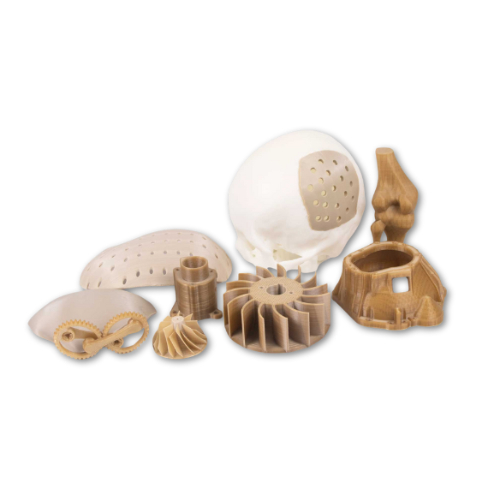
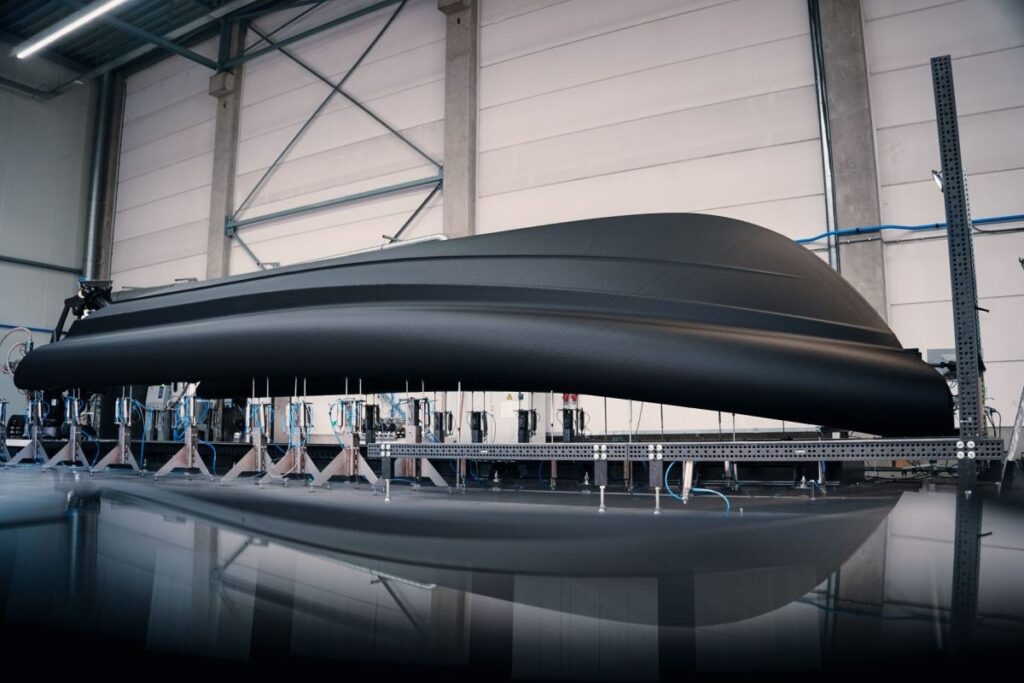
Material selection is equally critical and depends on the specific application. For instance, Advanced Polymers like Nylon (PA11/PA12) are prized for their robustness and efficiency. Likewise, polypropylene offers excellent chemical and water resistance for interior components. Moreover, high-density polyethylene (HDPE) prints entire boat hulls. Manufacturers value it for its durability and low maintenance. On the other hand, High-Performance Metals like titanium, stainless steel, and aluminum alloys provide extreme strength and corrosion resistance. For example, a notable success story involved WAAM technology. It produced a 180kg certified nickel-aluminum-bronze propeller. Finally, Reinforced Composites like carbon-fiber and glass-fiber thermoplastics are growing in popularity. They provide an excellent strength-to-weight ratio. As a result, this makes them perfect for high-performance hulls and critical structures.
Key Drivers for 3D Printing Adoption in Shipbuilding
Several compelling operational and economic advantages propel the shift toward additive manufacturing. In fact, these benefits are transforming the industry.
1. Unprecedented Design Freedom and Weight Reduction
First, 3D printing allows engineers to create complex, organic geometries. These shapes are impossible with traditional casting or machining. Through generative design and topology optimization, components can become significantly lighter. Importantly, they maintain or even improve their structural integrity. Since the maritime industry carries 80% of global trade by sea, weight reduction directly translates to improved fuel efficiency and lower emissions. Consequently, this is a critical factor in meeting sustainability goals.
2. Slashing Lead Times with On-Demand Production
Previously, sourcing a replacement part for a vessel at sea was a logistical nightmare. Specifically, it involved long lead times, expensive warehousing, and customs delays. However, 3D printing enables a paradigm shift toward on-demand manufacturing. For example, spare parts can be produced at the nearest port. Moreover, they can even be printed onboard the vessel itself. As a result, this dramatically reduces downtime. It also eliminates the need for massive physical inventories. For instance, a US Navy vessel printed a faulty air compressor part. It took days rather than a year and saved hundreds of thousands of dollars.
3. Sustainability and Reduced Waste
Furthermore, additive manufacturing is inherently less wasteful than subtractive manufacturing. Subtractive methods like milling or machining carve away material. In contrast, 3D printing builds parts layer by layer. Therefore, it uses only the necessary material. Additionally, failed prints and support structures can often be recycled into new filament or powder. Thus, this supports a circular economy model. Ultimately, this alignment with sustainability is becoming increasingly important. After all, the shipping industry faces pressure to reduce its environmental footprint.
Real-World Applications and The Future Ahead
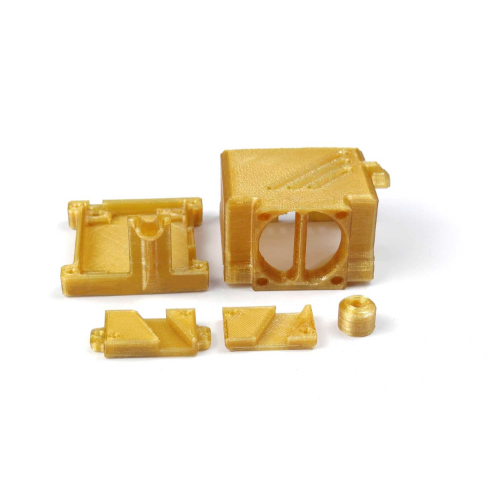
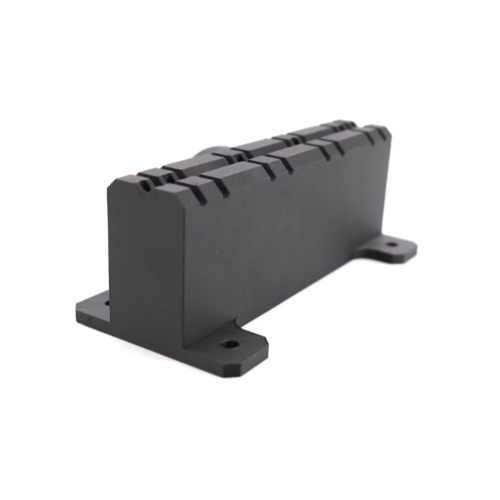
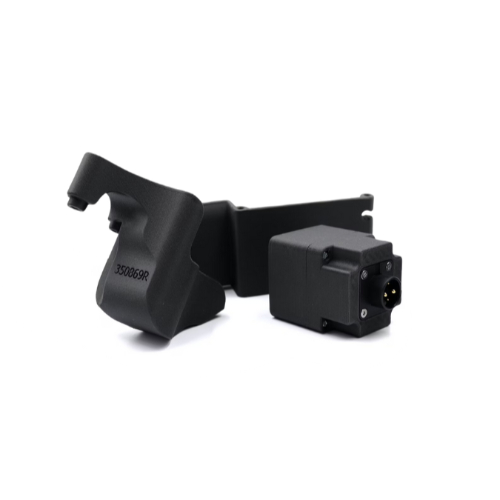
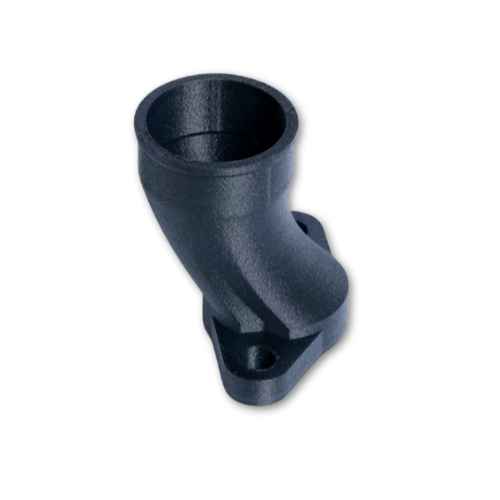
Maritime 3D printing innovation extends to a wide range of applications. For instance, these include prototyping, tooling, and end-use parts. Components like ducting, brackets, camera casings, and custom interior elements for commercial vessels are now possible.
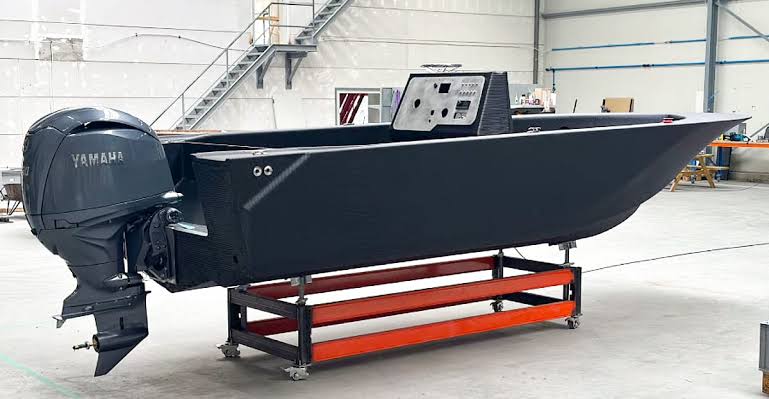
Beyond spare parts, the technology is creating entirely new products. For example, this includes Recycled Surfboards. Projects are using stranded seaweed to create sustainable surfboards. As a result, this replaces toxic, petroleum-based materials. Aquatic Drones are also emerging. Specifically, prototypes for maintenance and surveillance drones are using entirely recycled, watertight thermoplastic materials. Most impressively, Entirely 3D Printed Vessels represent a landmark achievement. For instance, companies have built a Guinness World Record-setting 3D printed water taxi and naval patrol boats. Consequently, this showcases the technology’s scalability.
The Future is on the Horizon
The integration of 3D printing in maritime will only accelerate. For one thing, hybrid manufacturing systems are under development. Moreover, the application of Artificial Intelligence (AI) to optimize designs is advancing. At the same time, international standards bodies are creating new regulations. Therefore, all these developments are paving the way for broader adoption. As these technologies mature, 3D printing will become a standard tool in modern shipbuilding. Ultimately, it will transform the industry into one that is more efficient, agile, and sustainable.
3D Printing Service Malaysia , 3D Printing service Singapore , 3D Printing service KL , 3D Printing service Selangor, 3D Scanning Malaysia
Why Partner with Projet ?
Selecting the right manufacturing technology is important—but choosing the right manufacturing partner is what truly drives success. Companies across the electronics, automotive, consumer products, aerospace, and medical industries trust Projet because we are more than just a supplier; we are a dedicated partner in their success.
Here’s what sets us apart:
A True One-Stop Solution
We provide a seamless experience by offering a comprehensive suite of manufacturing services under one roof. This integrated approach streamlines your supply chain and simplifies the journey from concept to a market-ready product.
Engineering Expertise You Can Count On
Our experienced engineering team acts as a dedicated extension of your own. We excel at solving complex manufacturing challenges and collaborate closely with you to optimize your designs for quality, cost-effectiveness, and manufacturability.
Flexible Production Volumes to Match Your Needs
Whether you require a single prototype or a high-volume production run, our manufacturing capabilities are designed to scale with your demands. We support your product’s entire lifecycle, from initial launch to full-scale production.
Rapid Turnaround for a Faster Time-to-Market
In today’s fast-paced market, speed is a crucial advantage. We deliver fast, transparent quotes and pride ourselves on our rapid turnaround times, helping you get your innovative products to market sooner.
3D Printing Services
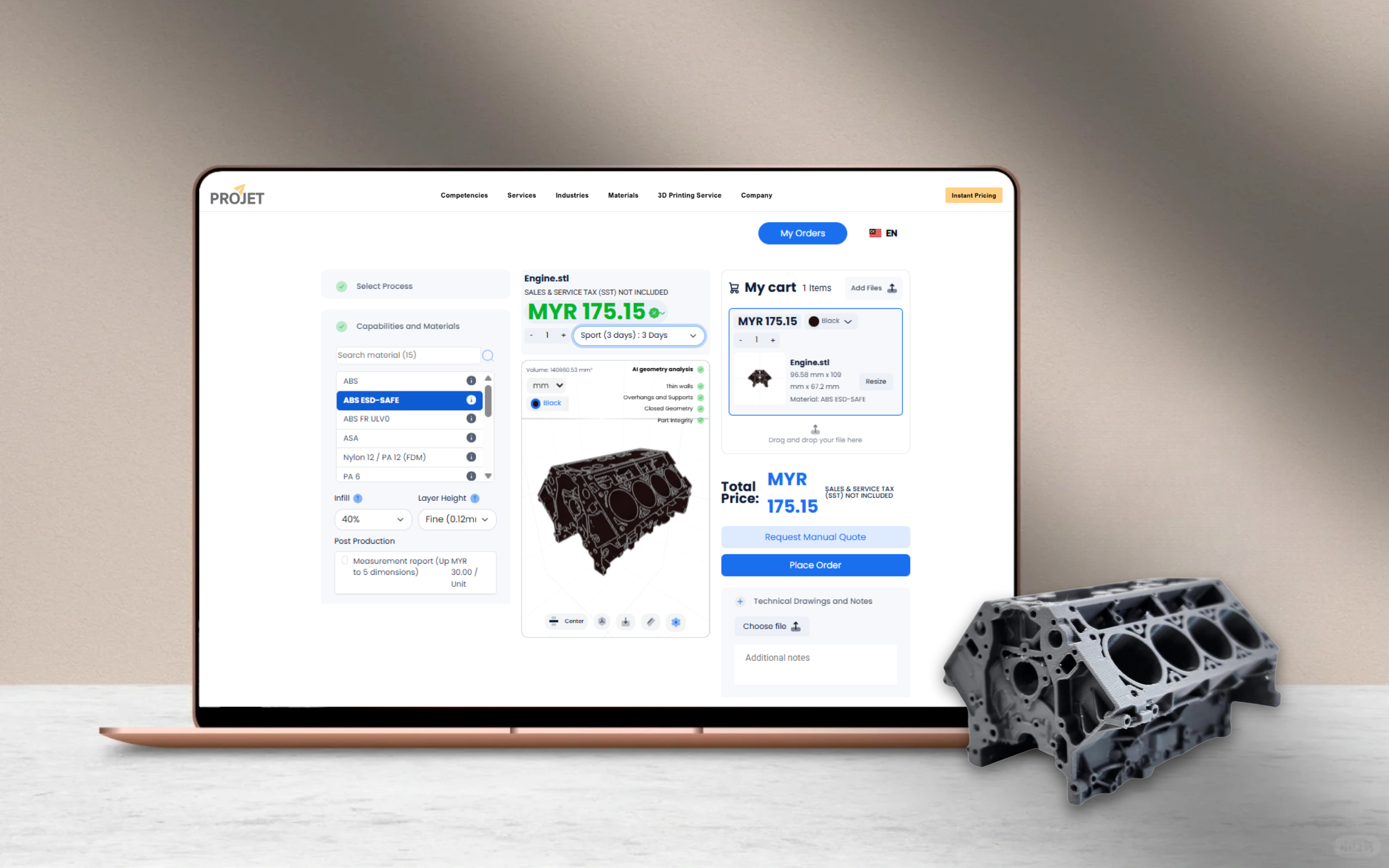
Instant Price