

Understand Microforming and Microscale 3D printing
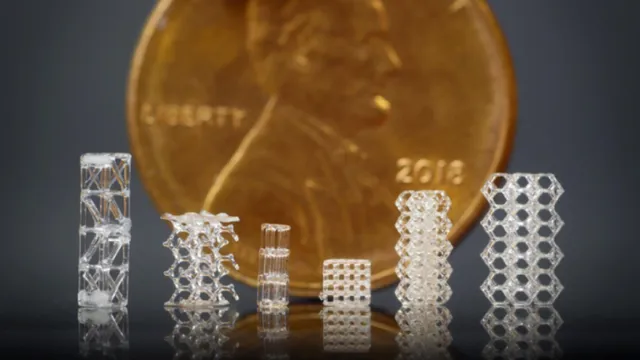
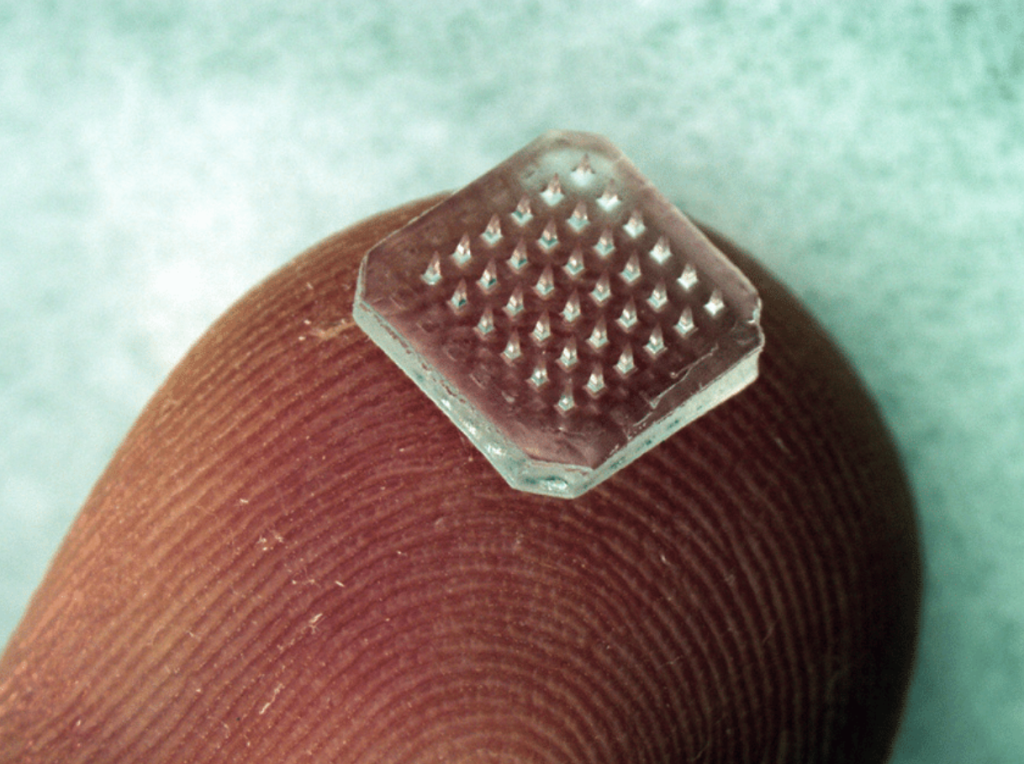
The ability to manufacture parts measured in microns—smaller than a grain of sand—is no longer a niche specialty. It’s a critical capability for industries ranging from medical devices and micro-robotics to advanced electronics and biotechnology. As products get smaller, the manufacturing methods used to create them must become smarter, faster, and more precise.
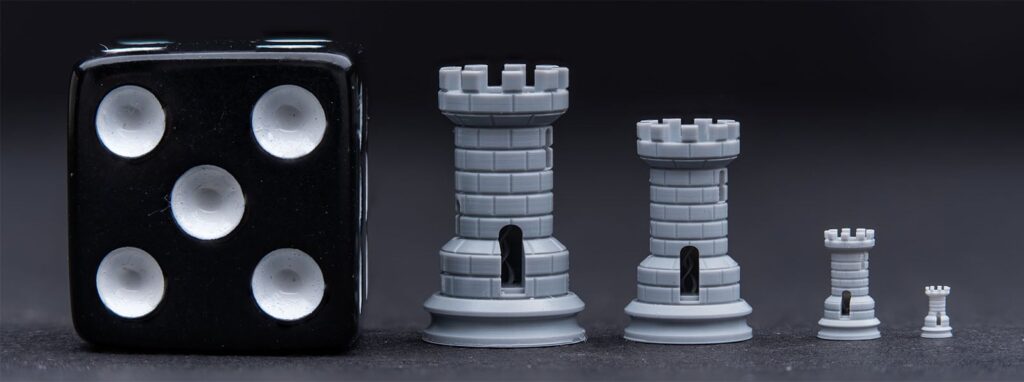
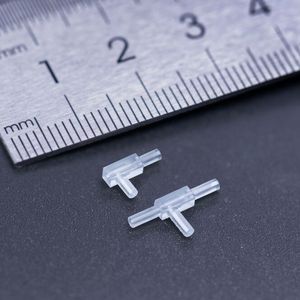
When engineers and product developers need to produce ultra-small metal or plastic components with fine features, two leading methods often come into consideration: microforming and microscale 3D printing. While both can create parts with dimensions under 1 millimeter and features in the micron range, they operate on fundamentally different principles and serve different needs.
What is Microforming?
Microforming is a subtractive, high-speed technique for producing very small metallic parts. Think of it as traditional metal forming (like stamping, bending, or forging) scaled down dramatically. The process begins with a thin metal sheet or foil. Using specialized tooling and techniques such as ultrasonic vibrations or pulsed electrical currents, the material is deformed into a desired shape.
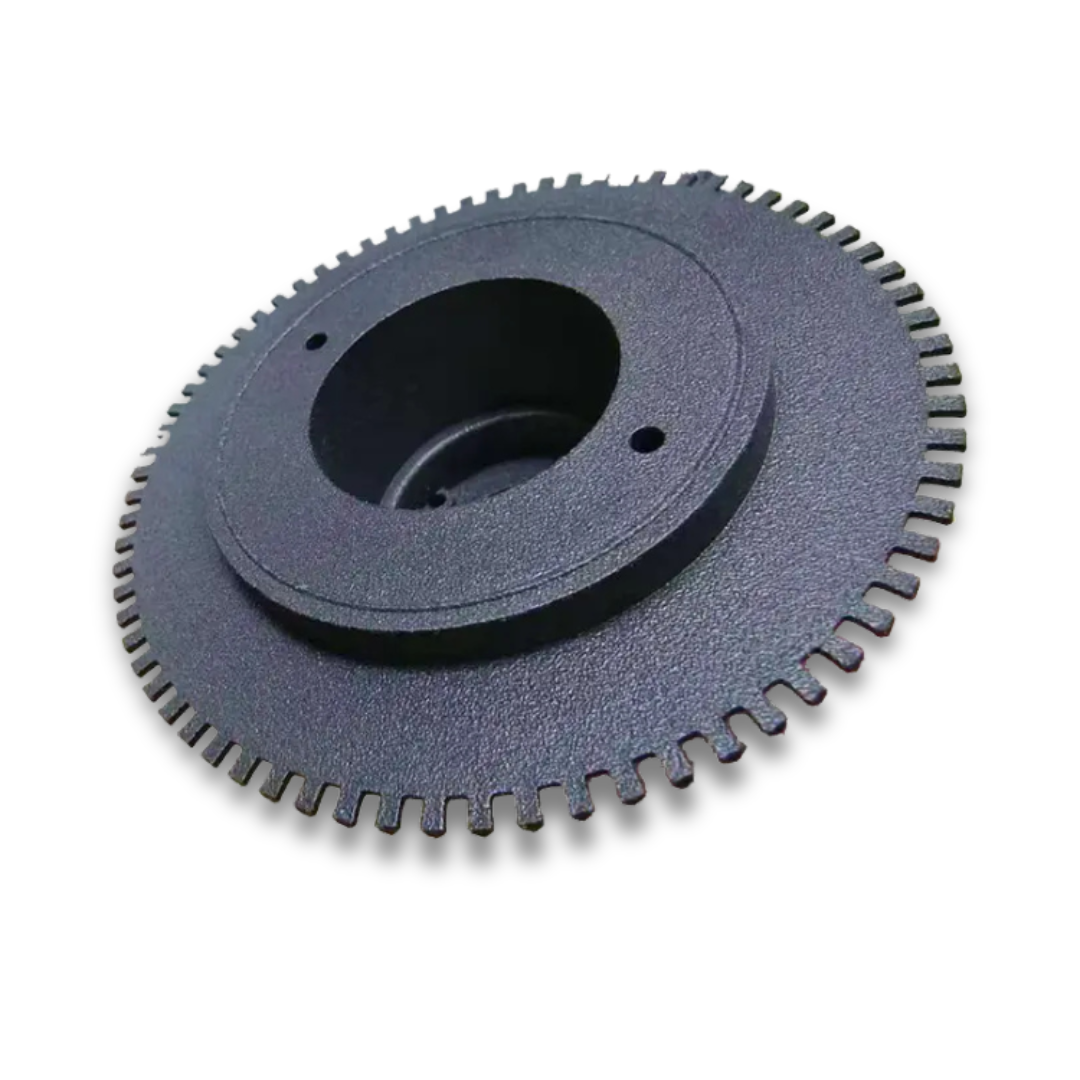
Typical parts include: Miniature screws, micro gears, contact springs, lead frames for chips, and tiny sockets.
What is Microscale 3D Printing?
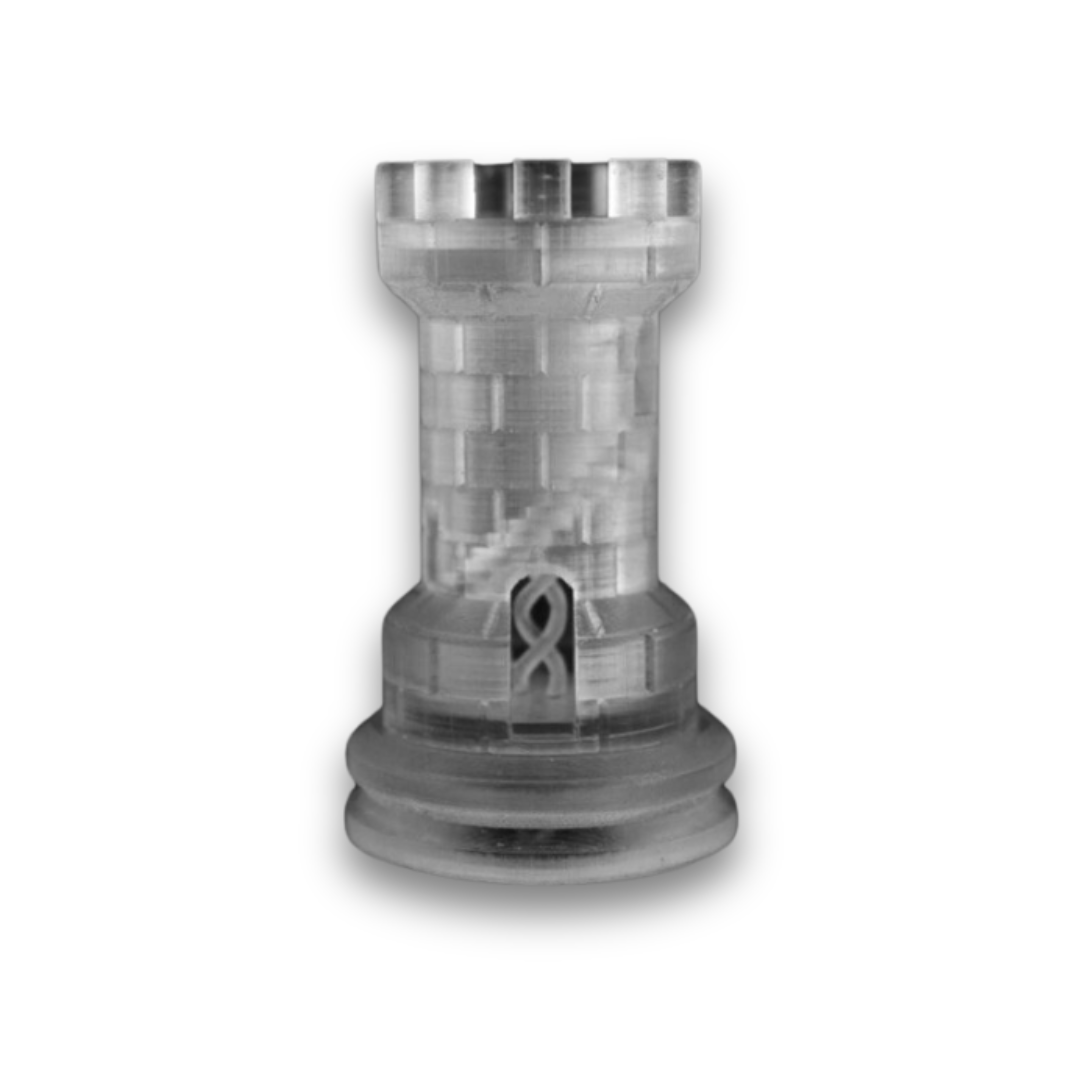
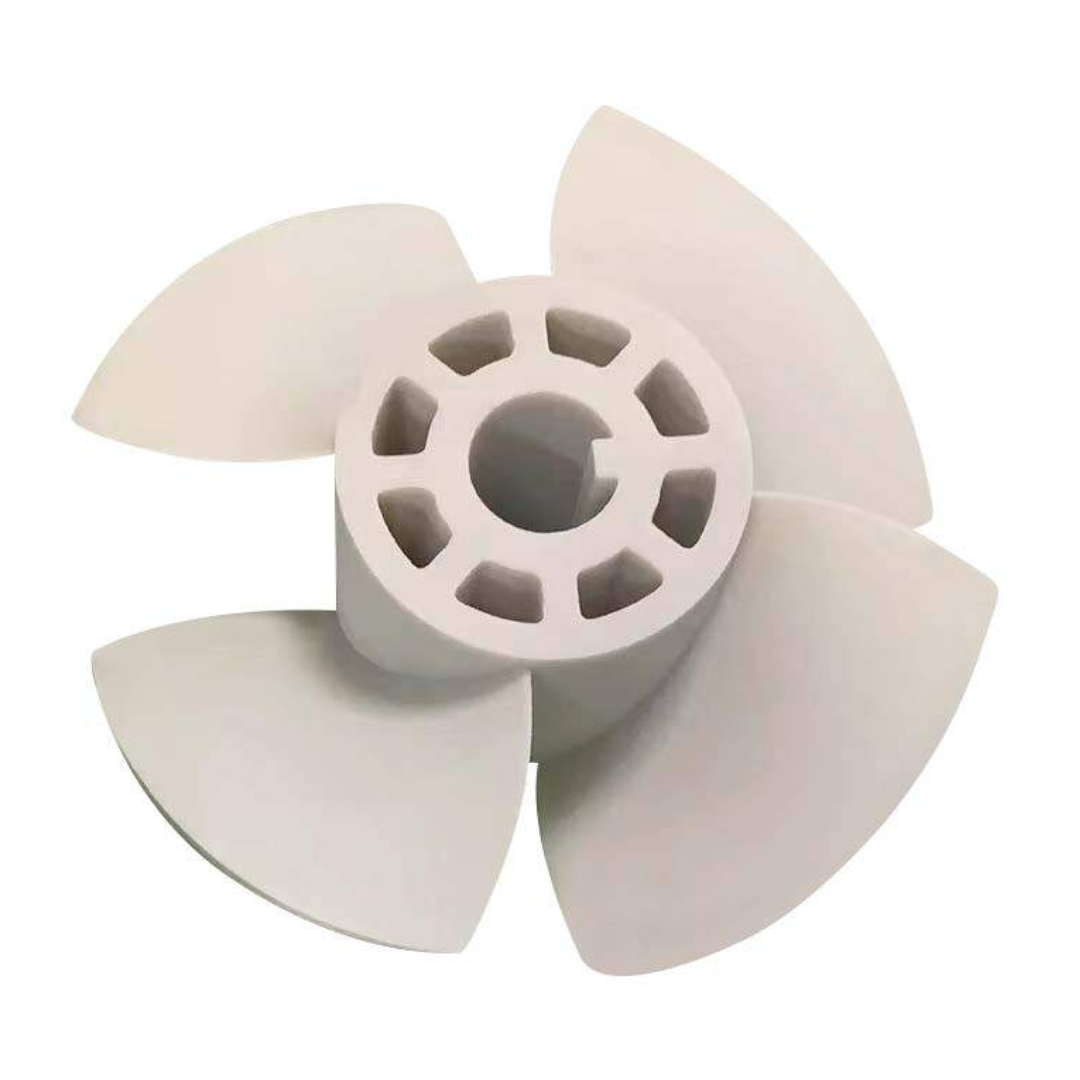
In contrast, microscale 3D printing is an additive process. It builds parts layer by layer from a liquid resin, using light to solidify incredibly fine details. Instead of starting with a solid block or sheet of metal, it creates the final geometry from the ground up. Depending on the specific technology, materials can include plastics, ceramics, hydrogels, and composite resins (which can contain ceramic or metal particles for plating later).
Key Similarities
Before looking at differences, it’s worth noting what they share:
Microscopic Precision: Both can produce features measured in microns (µm) and achieve extremely high resolution.
Application Overlap: Both are used for medical devices, micro-electrical mechanical systems (MEMS), electronics, and optical components.
Replacement for Conventional Methods: These techniques often replace traditional manufacturing where standard tools cannot achieve the necessary scale or tolerance.
Critical Differences: Volume, Material, and Design Freedom
The choice between microforming and microscale 3D printing often comes down to three core factors: production volume, material, and geometry complexity.
| Feature | Microforming | Microscale 3D Printing |
|---|---|---|
| Process Type | Subtractive (removes/deforms material) | Additive (adds material layer by layer) |
| Primary Materials | Metals (foils, sheets) | Polymers, resins, ceramics, hydrogels (and metal-plated plastics) |
| Typical Use Case | High-volume mass production | Prototyping, low-to-medium volume runs |
| Tooling | Requires custom dies and tooling (adds time & cost) | Tool-less (no dies or molds required) |
| Design Complexity | Limited by tooling; may need secondary processes for fine features | Excellent for complex 3D geometries, internal channels, and intricate details |
| Post-Processing | Often requires additional micromachining or finishing | Minimal; parts emerge near-net-shape |
How to Choose: Which One is Right for You?
Microforming is likely the better choice if:
You need millions of identical, tiny metal parts.
The part geometry is relatively simple (e.g., pins, springs, simple gears).
You have the budget and timeline for upfront tooling.
Production speed is your primary metric of success.
Microscale 3D printing is the better choice if:
You are in prototyping, R&D, or need low-to-medium volumes (hundreds or thousands, not millions).
Your part has complex 3D features, undercuts, or internal channels (e.g., microfluidic chips, lab-on-a-device components).
You want to avoid costly and time-consuming tooling.
You need materials beyond standard metals, such as biocompatible polymers, ceramics, or a part that can be metal-plated after printing.
You require rapid design iterations.
A Hybrid Future
These two technologies are not always competing. In many advanced production workflows, they are complementary. For example, microscale 3D printing is excellent for creating custom tooling inserts or sacrificial patterns that can then be used in a microforming process. Alternatively, a polymer part produced with microscale 3D printing can be metal-plated to achieve both the design complexity of printing and the material properties of a metal part.
3D Printing Service Malaysia , 3D Printing service Singapore , 3D Printing service KL , 3D Printing service Selangor, 3D Scanning Malaysia
Why Partner with Projet ?
Selecting the right manufacturing technology is important—but choosing the right manufacturing partner is what truly drives success. Companies across the electronics, automotive, consumer products, aerospace, and medical industries trust Projet because we are more than just a supplier; we are a dedicated partner in their success.
Here’s what sets us apart:
A True One-Stop Solution
We provide a seamless experience by offering a comprehensive suite of manufacturing services under one roof. This integrated approach streamlines your supply chain and simplifies the journey from concept to a market-ready product.
Engineering Expertise You Can Count On
Our experienced engineering team acts as a dedicated extension of your own. We excel at solving complex manufacturing challenges and collaborate closely with you to optimize your designs for quality, cost-effectiveness, and manufacturability.
Flexible Production Volumes to Match Your Needs
Whether you require a single prototype or a high-volume production run, our manufacturing capabilities are designed to scale with your demands. We support your product’s entire lifecycle, from initial launch to full-scale production.
Rapid Turnaround for a Faster Time-to-Market
In today’s fast-paced market, speed is a crucial advantage. We deliver fast, transparent quotes and pride ourselves on our rapid turnaround times, helping you get your innovative products to market sooner.
3D Printing Services
Instant Price