

A Guide to Modern Metal Fabrication
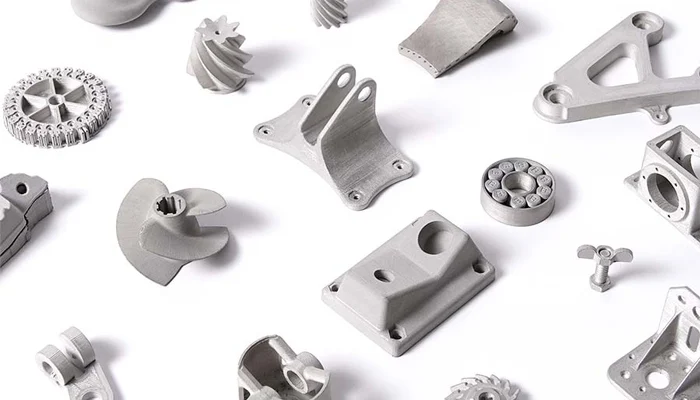
Think of the last time you saw a row of high-quality metal parts—each a different shape, size, and finish, yet all working together seamlessly. These components are the quiet backbone of countless products, from medical devices and robotics to industrial machinery and architectural features. They exist because of a powerful, multi-stage process: metal fabrication.
In this guide, we’ll break down what metal fabrication really involves, how it transforms a simple sketch into a precise part, and why it’s essential for turning ideas into reliable, real-world products.
What Is Metal Fabrication?
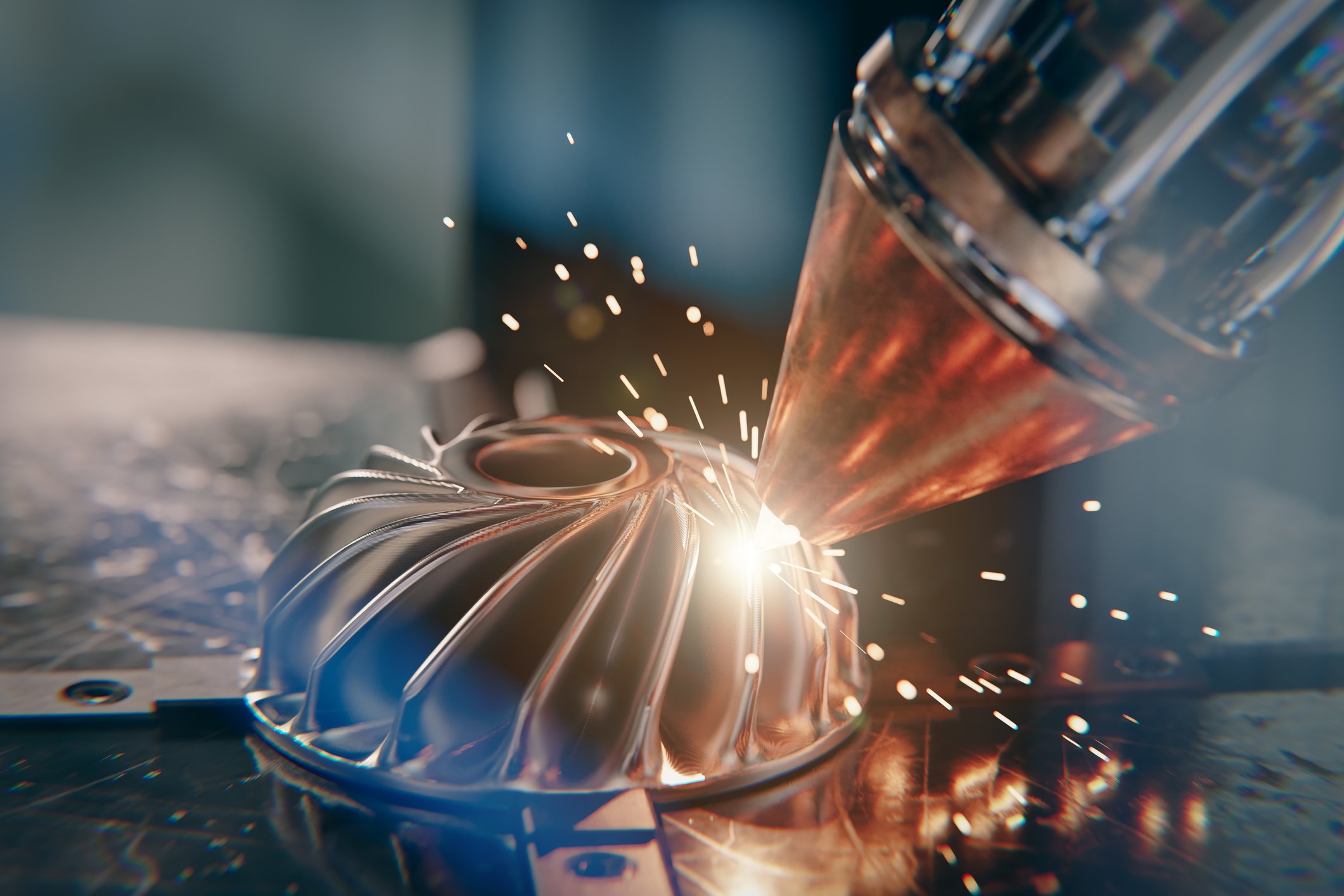
At its core, metal fabrication is the art and science of transforming raw metal into usable parts and assemblies. Instead of working with plastic or wood, this process uses metals like aluminum, steel, brass, and copper. Through a combination of cutting, shaping, machining, and joining, a fabricator converts basic stock—sheet, plate, bar, or tube—into a functional component. That final piece could be a one-off prototype, a bracket inside a machine, or a full structural frame.
The Typical Metal Fabrication Workflow
Most projects follow a clear path from idea to finished part.
1. Design & Engineering
Every part starts as a 3D CAD model, drawing, or physical sample. The design is reviewed to ensure it can be manufactured efficiently.
2. Material Selection
The right metal depends on strength, weight, corrosion resistance, machinability, and cost.
3. Cutting & Profiling
Raw material is cut to size using saws, lasers, waterjets, or CNC machines.
4. Forming & Shaping
Metal is bent, rolled, or stamped into its final geometry.
5. Machining & Detailing
CNC turning and milling create precise features like threads, pockets, and complex contours.
6. Joining & Assembly
Parts are welded, soldered, or mechanically fastened together.
7. Finishing & Surface Treatments
Deburring, anodizing, plating, or powder coating adds protection and a professional look.
8. Inspection & Quality Control
Every critical dimension is measured to ensure parts arrive ready to install.
Why Metal Fabrication Matters
Modern products rely on metal fabrication more than most people realize. Without it, we wouldn’t have the frames and moving parts inside vehicles, the brackets and housings in industrial equipment, or the custom fixtures used on production lines.
Effective metal fabrication:
Improves reliability – precision parts fit together as designed.
Enhances safety – correctly fabricated components carry loads as intended.
Reduces cost over time – well-designed parts are easier to assemble and maintain.
Enables innovation – prototypes and short runs allow engineers to test ideas quickly.
A Modern Approach to Metal Fabrication
The goal of any good fabrication partner is simple: turn ideas into reality with a combination of engineering insight, advanced equipment, and hands-on craftsmanship. This is typically done by:
Discussing your project – sharing drawings, CAD files, or even a rough sketch, along with function, environment, and deadlines.
Reviewing and refining the design – checking manufacturability, recommending materials, and finding ways to reduce cost without compromising performance.
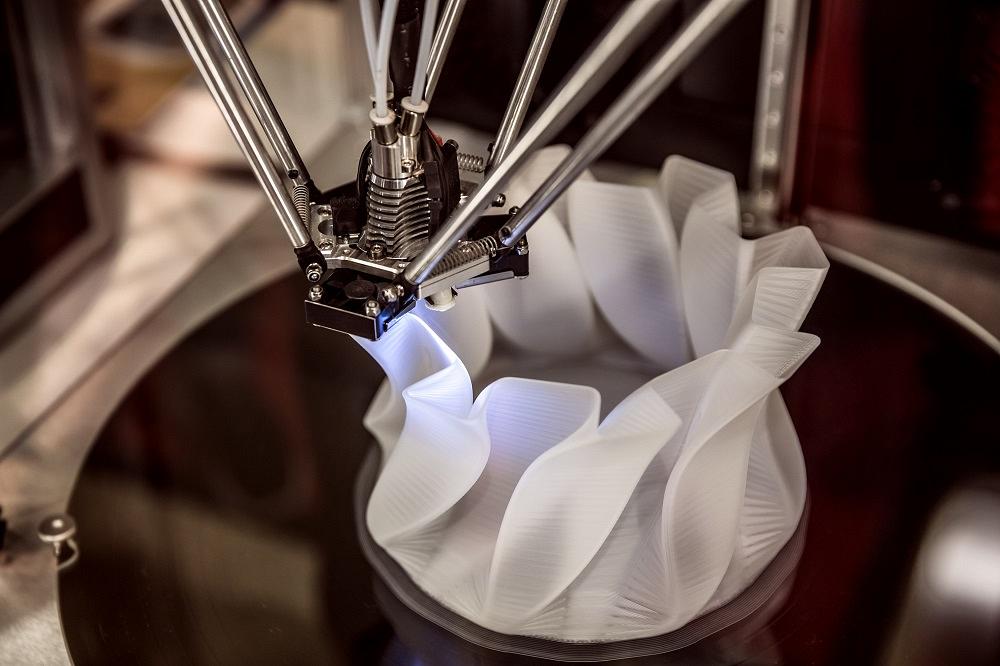
Prototyping and validating – creating prototypes (often starting with 3D printed parts) to verify fit and function.
Fabricating and finishing – producing the metal parts using the right mix of machining, forming, and finishing.
Inspecting and delivering – inspecting against your specifications and packaging parts so they arrive ready to use.
Conclusion
Metal fabrication is much more than cutting and bending metal. It’s a complete journey from concept to finished component, involving design thinking, material science, machining expertise, and an eye for detail. Clean lines, accurate dimensions, smooth finishes, and components that are ready to slot straight into a larger system—that’s what skilled fabrication achieves.
If you’re looking for a partner who can support precision prototypes, industrial components, or commercial metal parts, we’re here to help. Share your drawings or ideas with us, and let’s turn them into real, high-performing metal products.
3D Printing Service Malaysia , 3D Printing service Singapore , 3D Printing service KL , 3D Printing service Selangor, 3D Scanning Malaysia
Why Partner with Projet ?
Selecting the right manufacturing technology is important—but choosing the right manufacturing partner is what truly drives success. Companies across the electronics, automotive, consumer products, aerospace, and medical industries trust Projet because we are more than just a supplier; we are a dedicated partner in their success.
Here’s what sets us apart:
A True One-Stop Solution
We provide a seamless experience by offering a comprehensive suite of manufacturing services under one roof. This integrated approach streamlines your supply chain and simplifies the journey from concept to a market-ready product.
Engineering Expertise You Can Count On
Our experienced engineering team acts as a dedicated extension of your own. We excel at solving complex manufacturing challenges and collaborate closely with you to optimize your designs for quality, cost-effectiveness, and manufacturability.
Flexible Production Volumes to Match Your Needs
Whether you require a single prototype or a high-volume production run, our manufacturing capabilities are designed to scale with your demands. We support your product’s entire lifecycle, from initial launch to full-scale production.
Rapid Turnaround for a Faster Time-to-Market
In today’s fast-paced market, speed is a crucial advantage. We deliver fast, transparent quotes and pride ourselves on our rapid turnaround times, helping you get your innovative products to market sooner.
3D Printing Services
Instant Price