

What is 3D Printing?
What is 3D Printing?
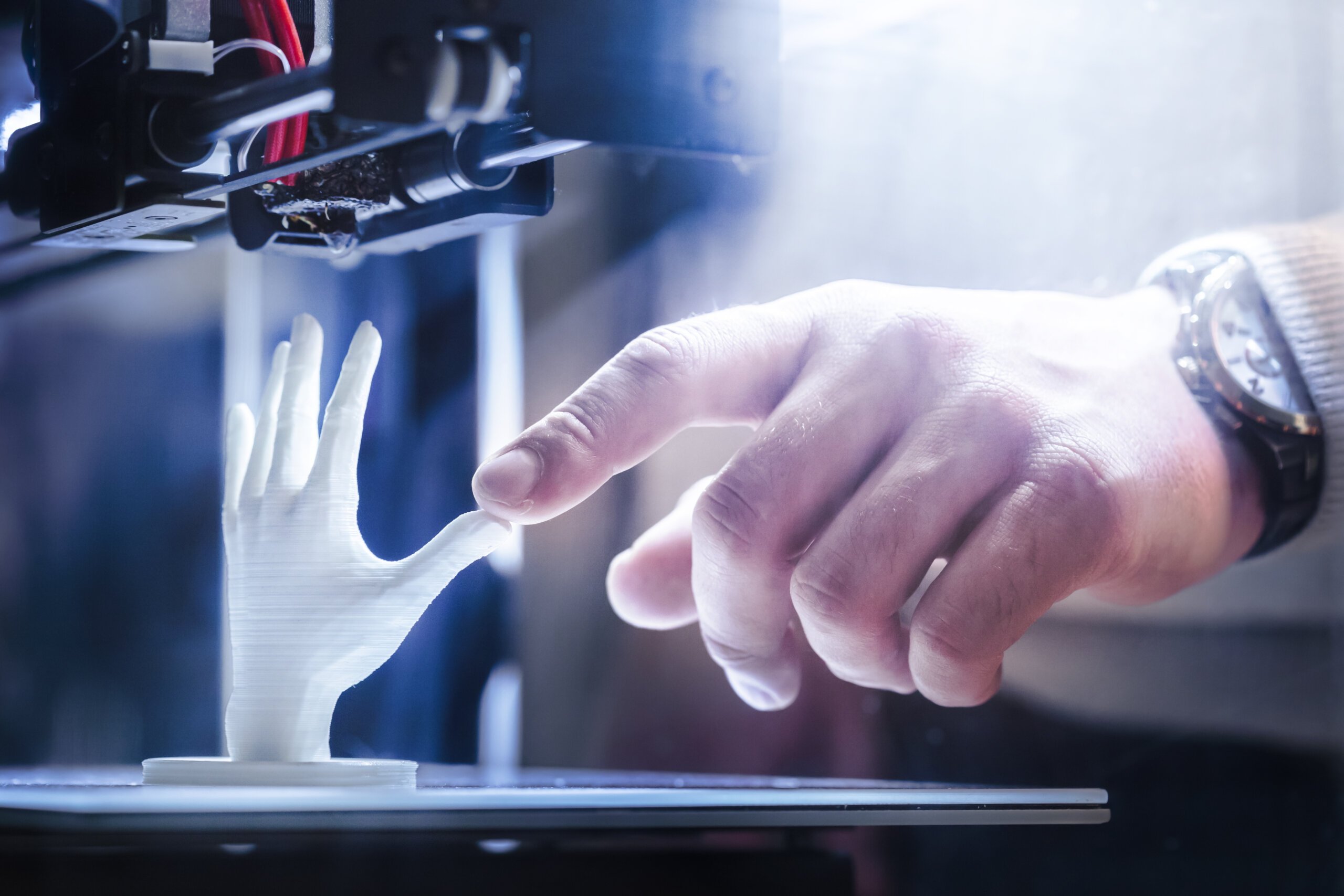
Imagine constructing an object layer by layer using digital instructions instead of traditional manufacturing tools. This is the basic idea behind 3D printing.
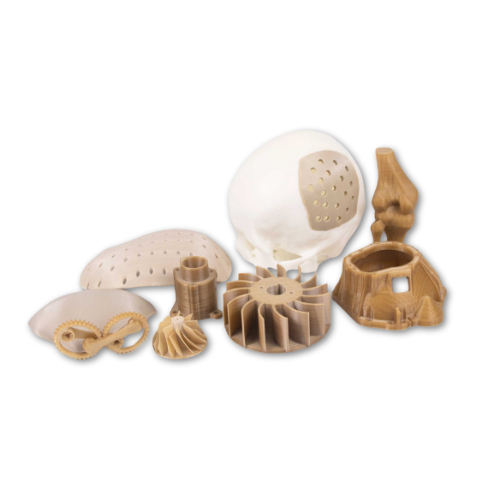
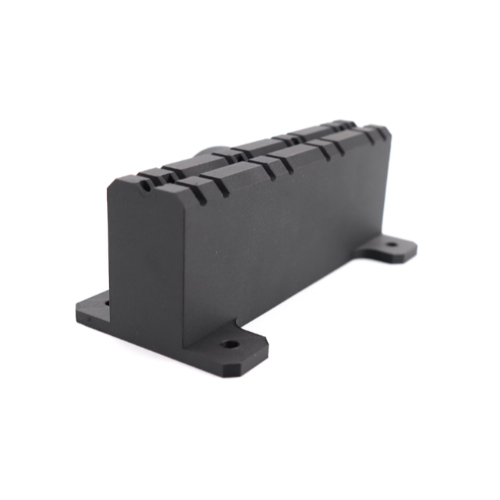
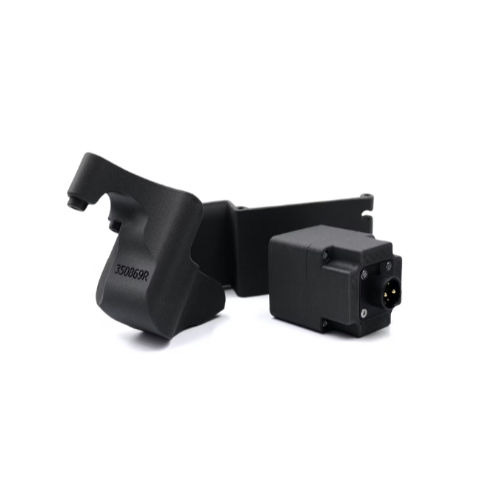
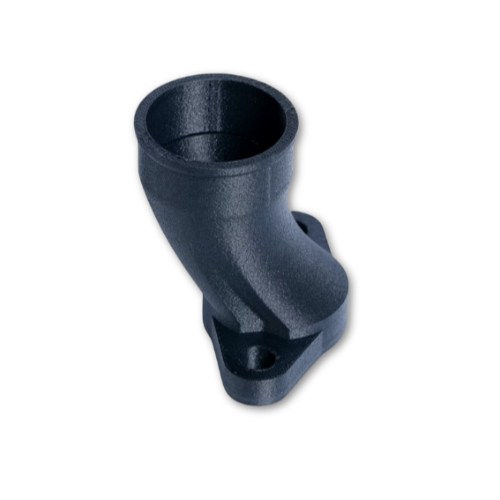
In simple terms, 3D printing converts a digital 3D model into a physical object by depositing materials such as plastic, metal, or resin layer by layer. Each layer is added sequentially until the full object is formed.
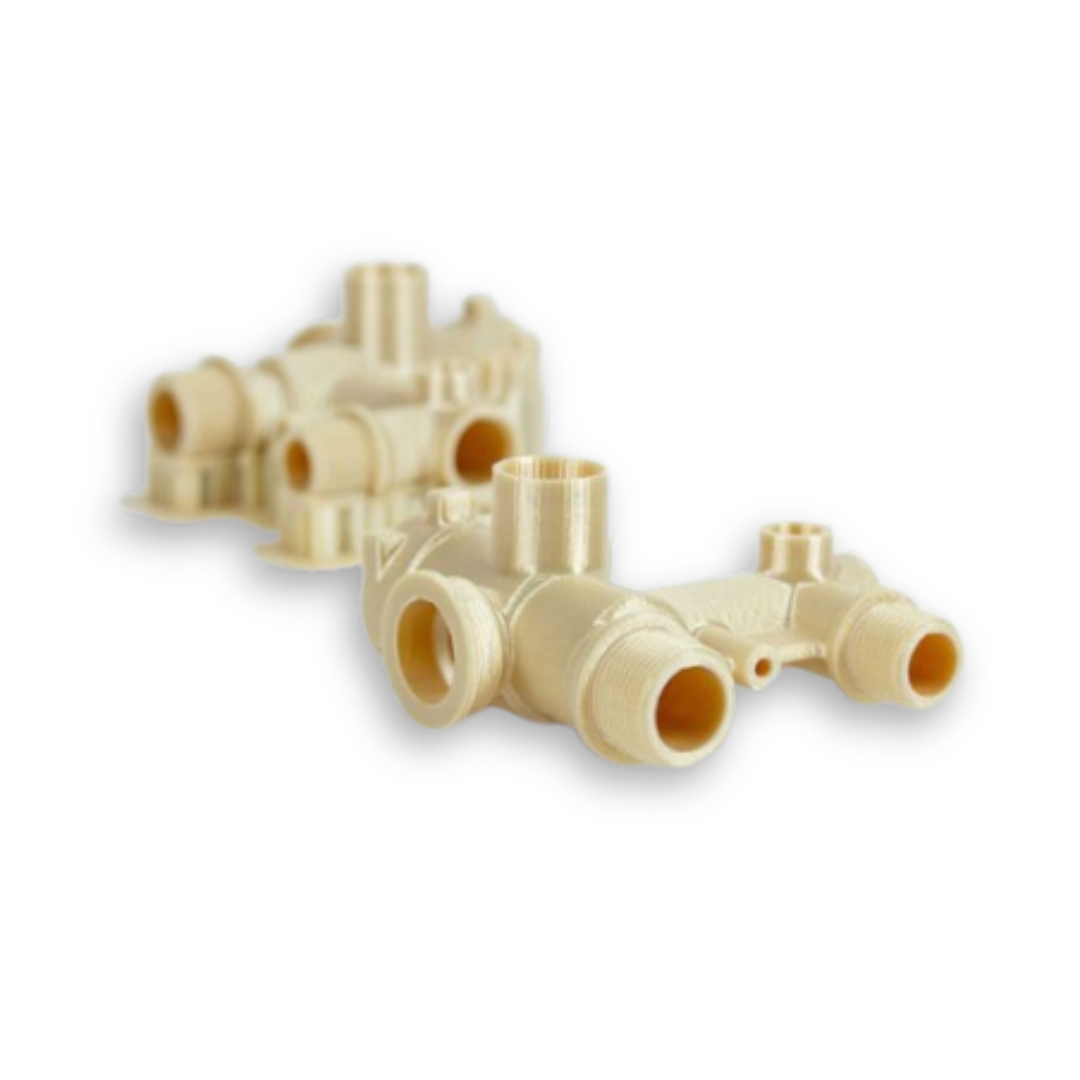
When comparing FDM vs SLA vs SLS 3D printing, these technologies differ in materials, precision, cost, and applications. Understanding these differences helps businesses and designers choose the right additive manufacturing method.
3 main technologies of 3D Printing
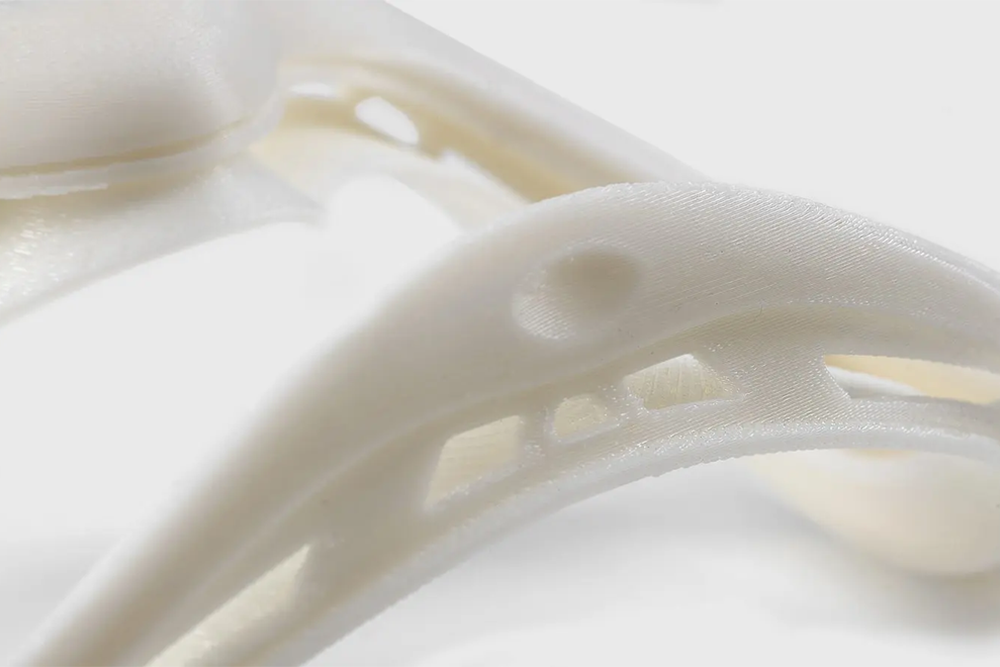
FDM (Fused Deposition Modeling):
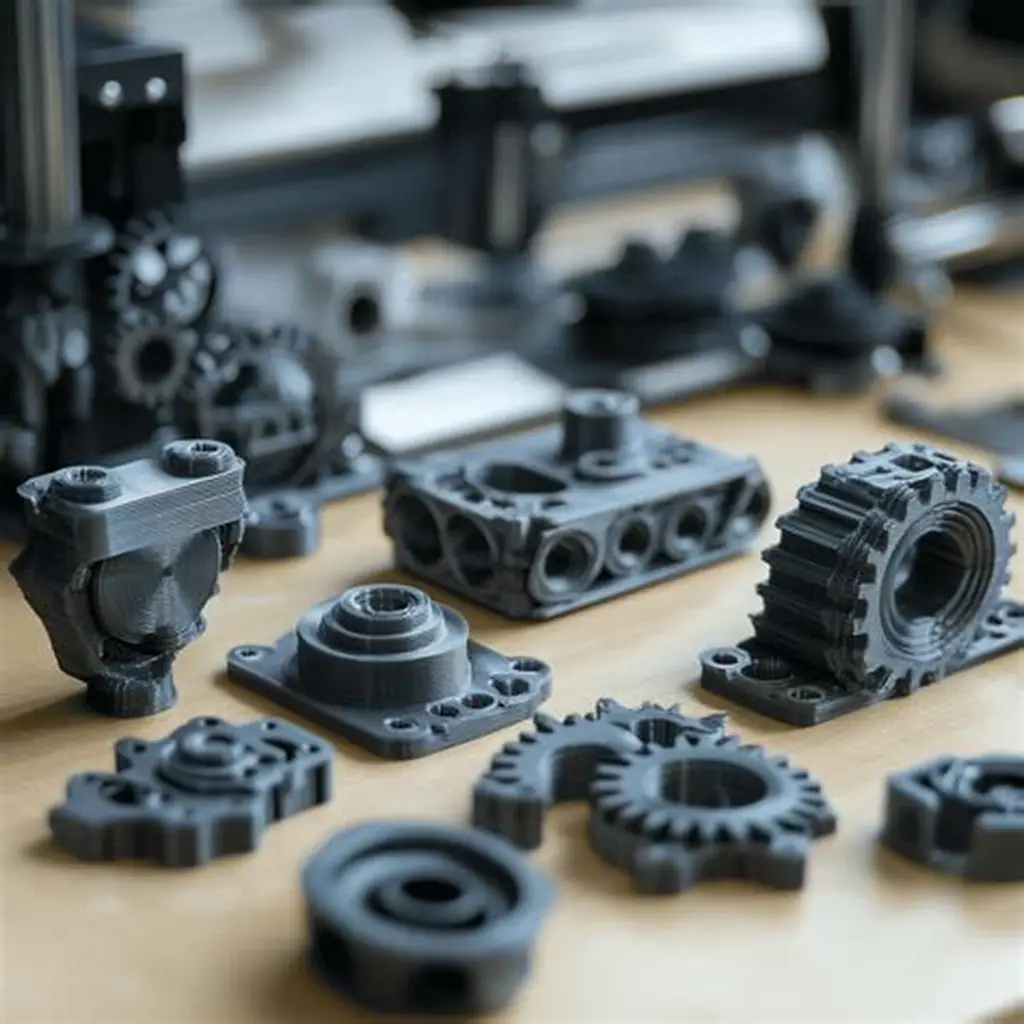
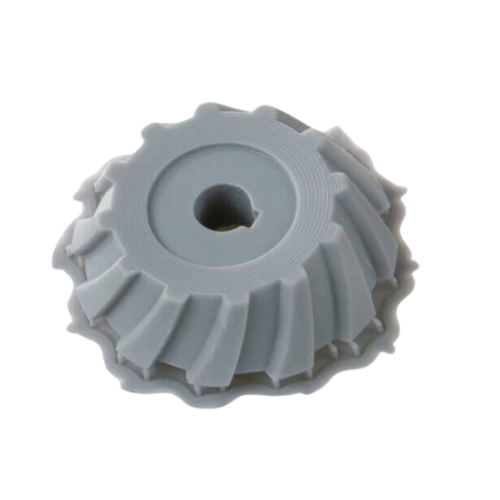
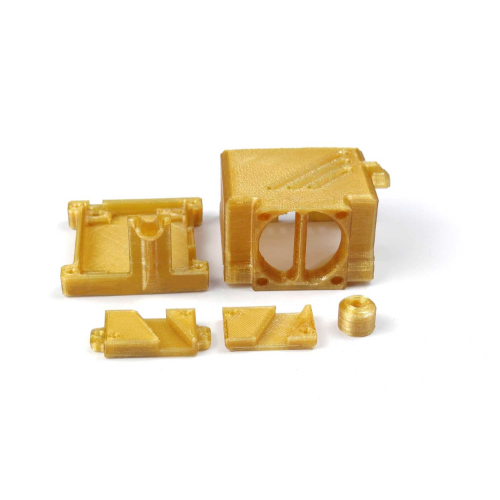
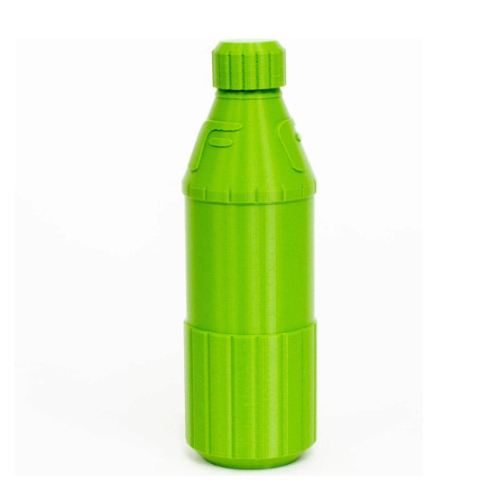
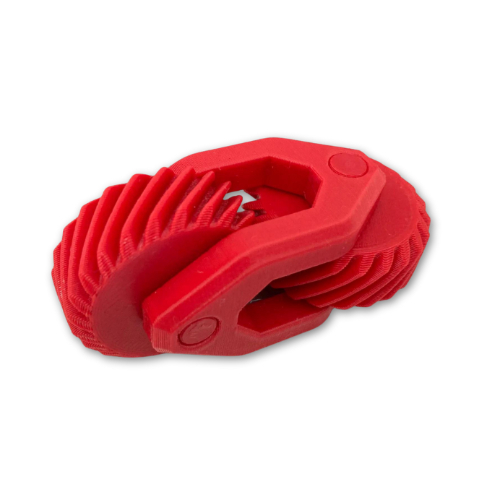
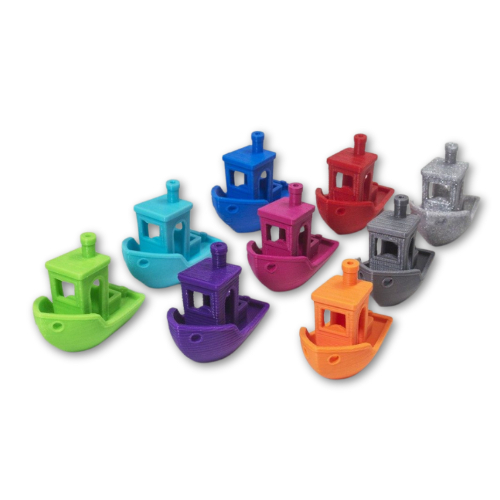
FDM is the most widely used and accessible 3D printing technology. It creates objects by melting thermoplastic filament and extruding it through a heated nozzle. The melted material is deposited layer by layer onto a build plate to form the final object.
Because of its affordability and simplicity, FDM is commonly used for rapid prototyping and functional parts.
Common Materials:
- PLA
- ABS
- PETG
- Nylon
- TPU
Suitable Applications:
FDM is well-suited for prototyping, creating models, functional parts, tooling, fixtures, jigs, and low-volume production.
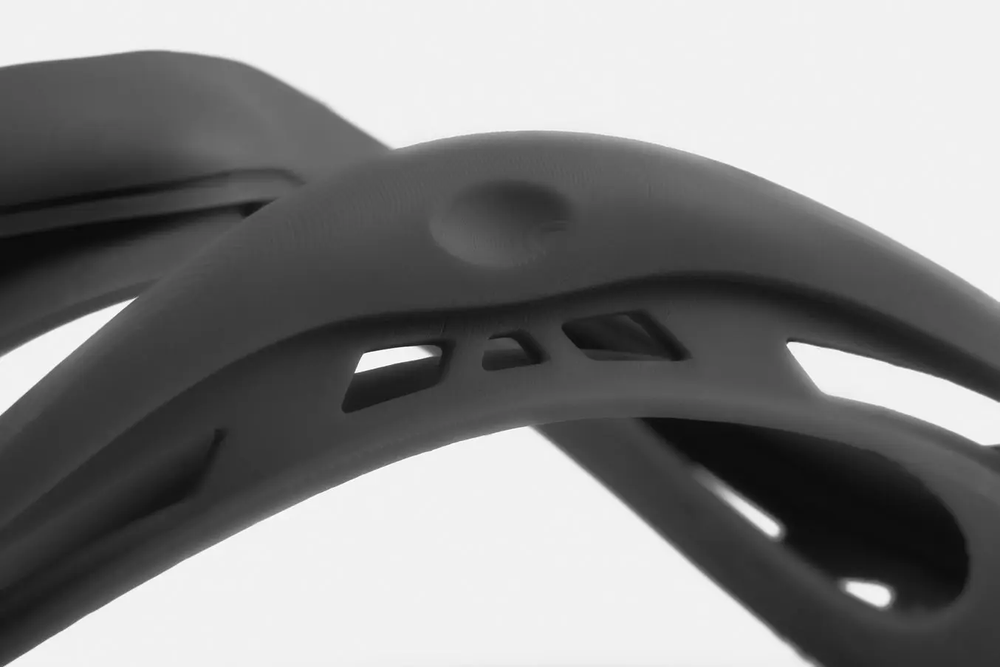
SLA (Stereolithography):
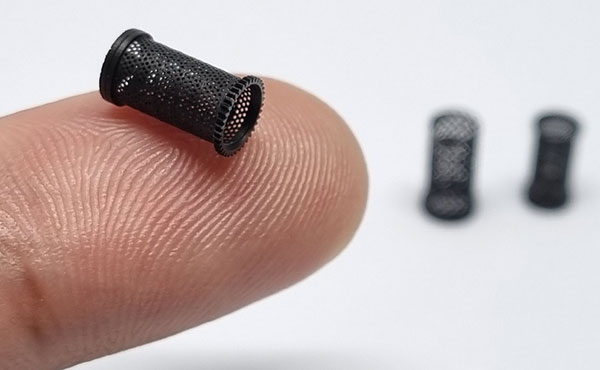
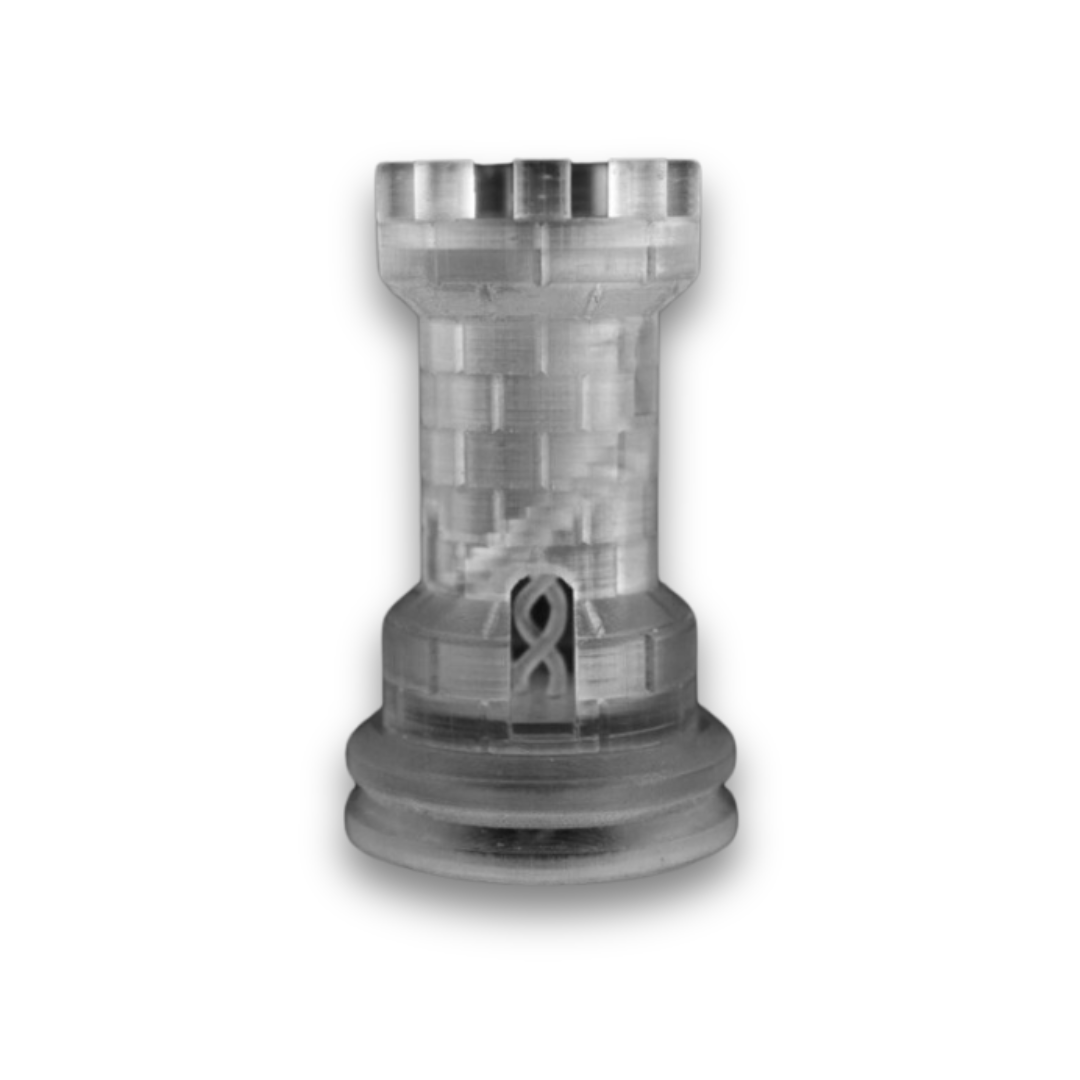
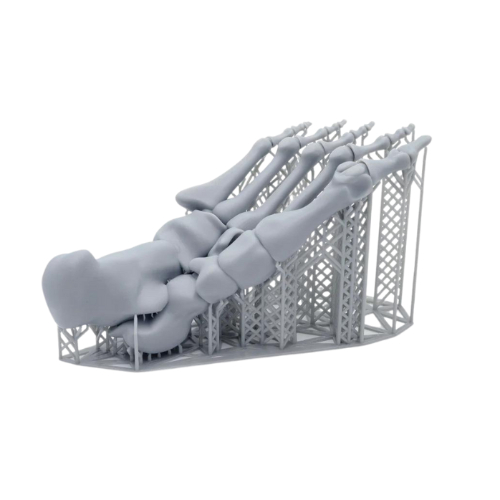
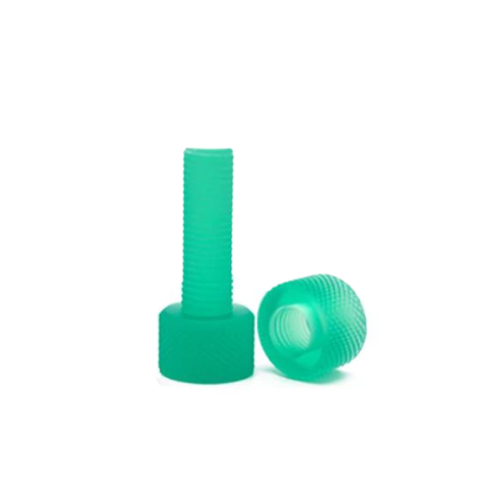
SLA uses a laser to cure liquid resin into solid plastic through a process called photopolymerization. Compared to FDM, SLA 3D printing offers higher resolution, smoother surface finish, and extremely fine details.
Because of this precision, SLA is often chosen for applications requiring intricate designs and high-quality surfaces.
Common Materials:
Resins, such as general resin, high temp resin, hard-tough resin, abs-like resin, etc
Suitable Applications:
SLA is ideal for applications such as jewelry, dentistry, figurines, molds, and high-detail parts.
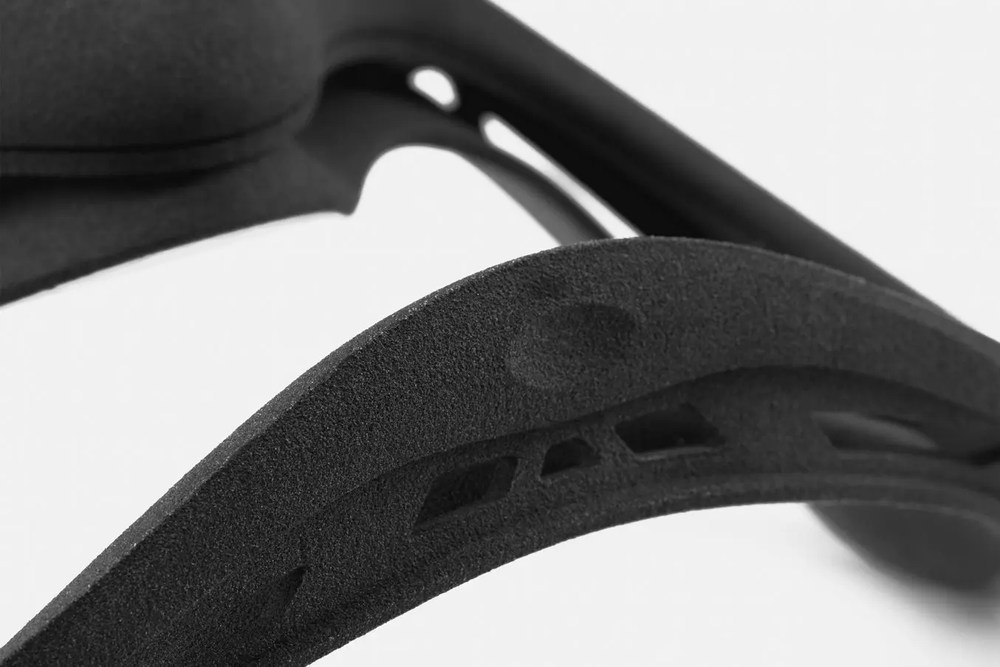
SLS (Selective Laser Sintering):
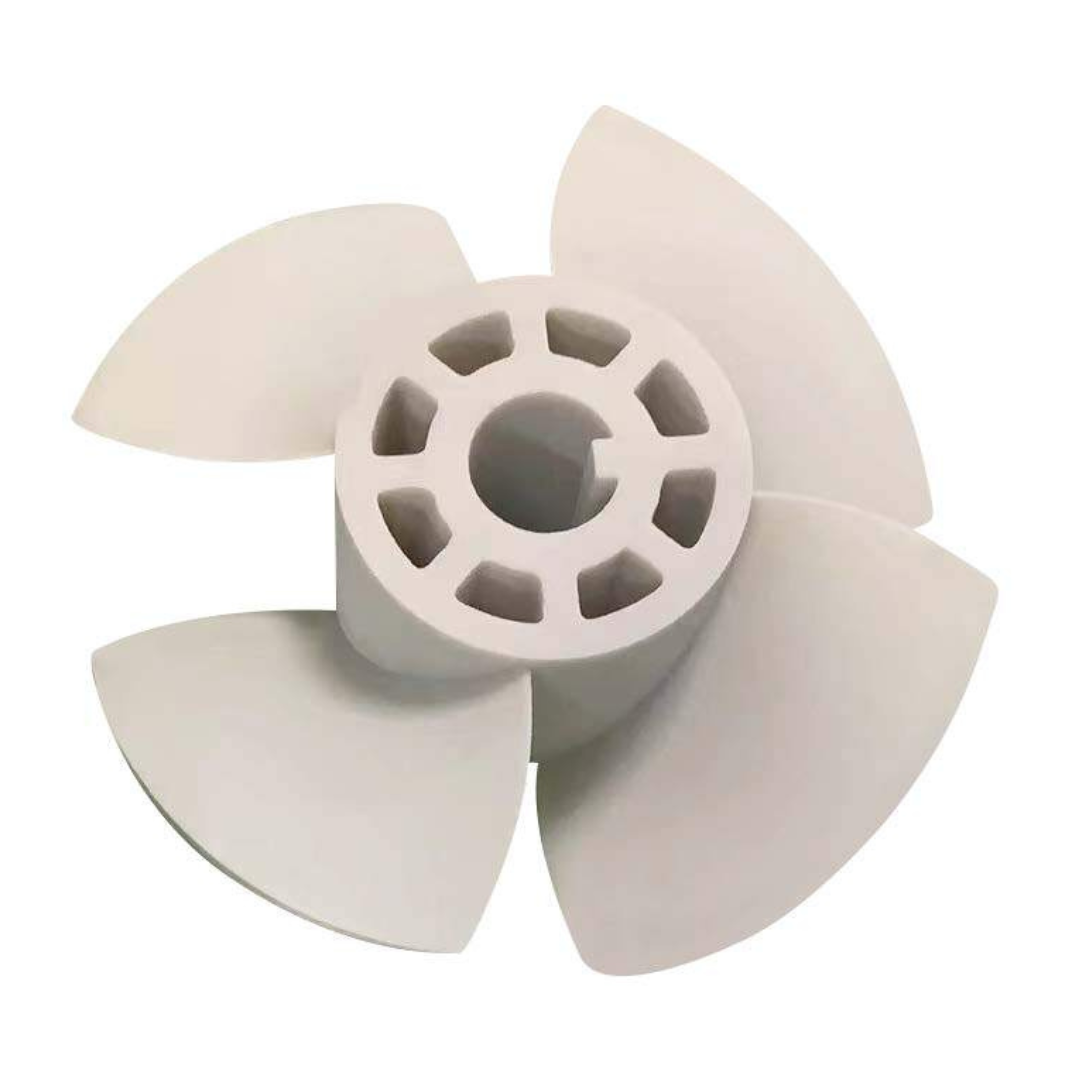
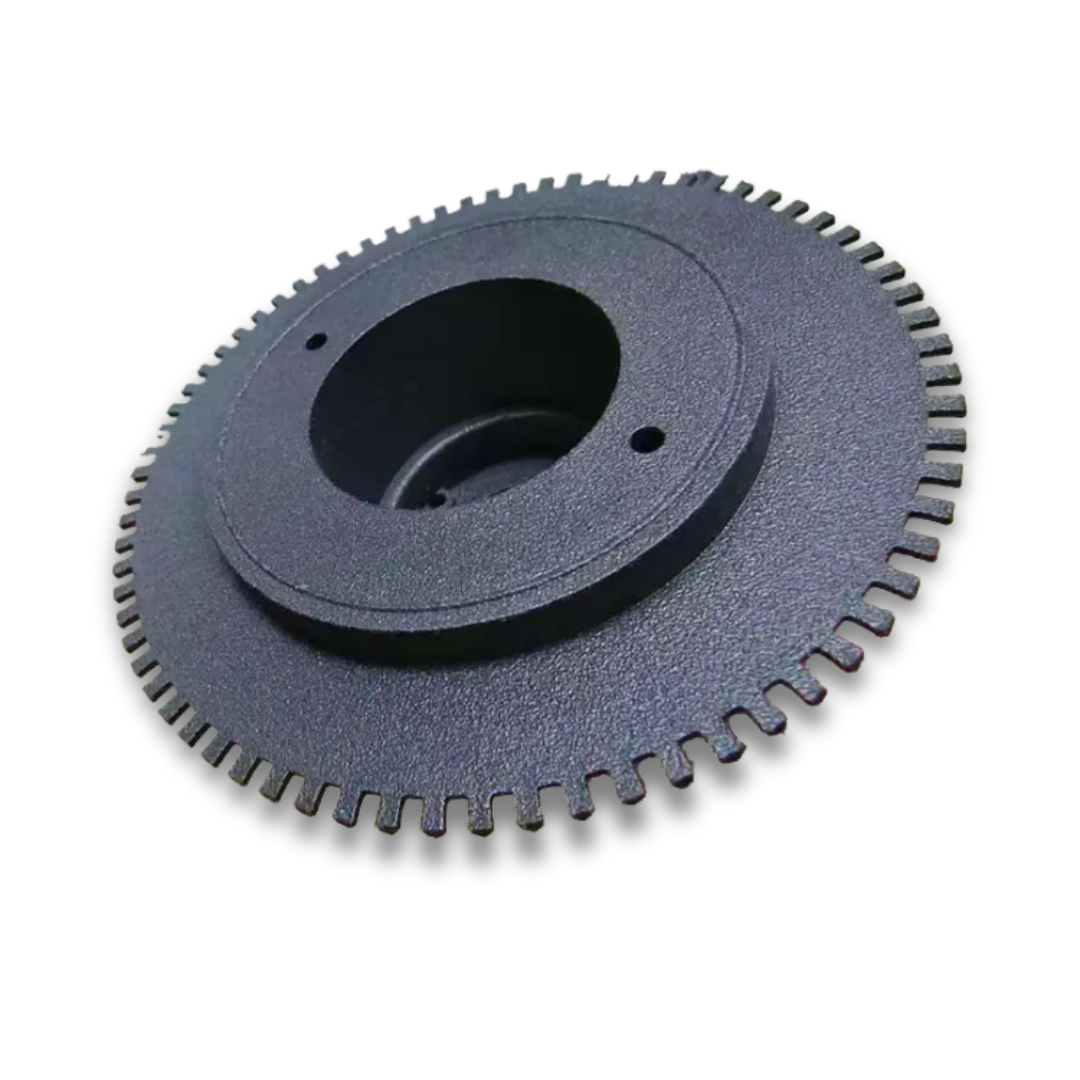
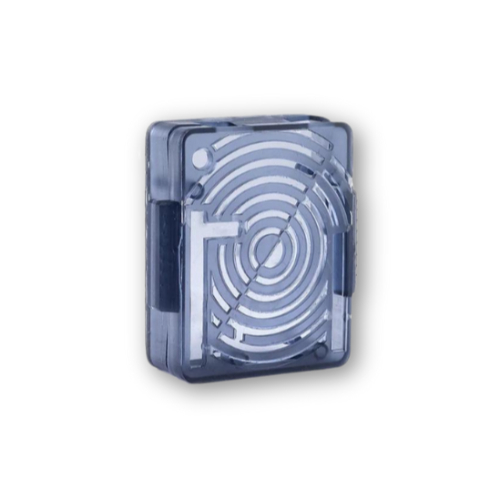
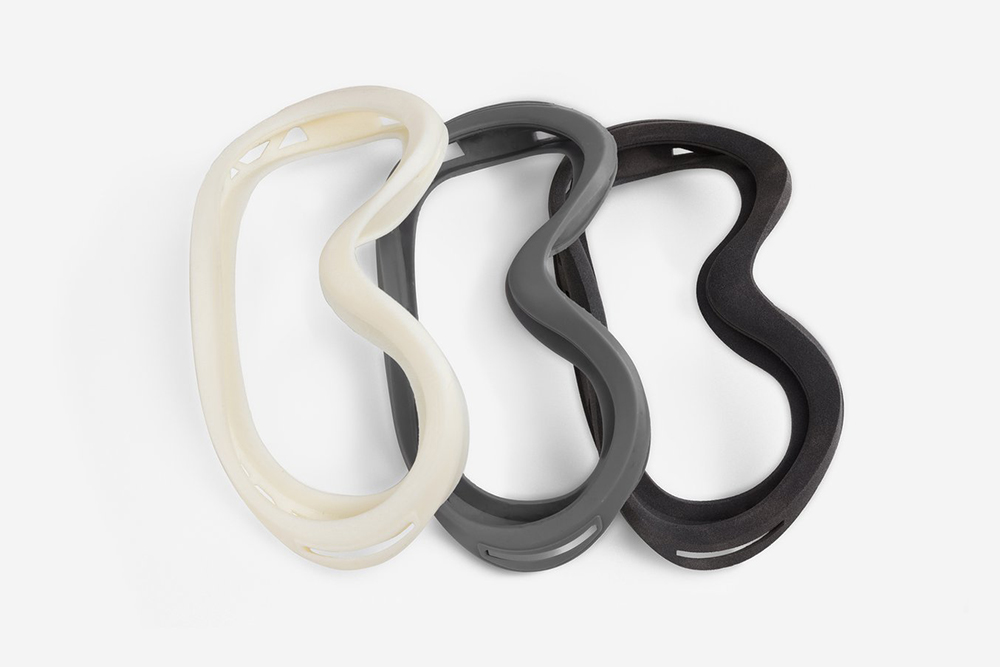
Selective Laser Sintering (SLS) is a powerful industrial 3D printing technology that uses a high-powered laser to fuse powdered polymer materials together.
One key advantage of SLS 3D printing is that the surrounding powder supports the printed part during production, eliminating the need for additional support structures.
This allows for complex geometries and strong functional parts.
Common Materials:
- Nylon
- PA12
Suitable Applications:
- Jigs
- Fixtures
- Tooling
- High-performance prototyping
Benefits of 3D Printing:
3D printing offers numerous advantages over traditional manufacturing processes, including:
- Speed and Agility: Eliminate the need for expensive tooling and long lead times. Print exactly what you need when you need it.
- Customization: Easily create unique and bespoke objects tailored to your specifications.
- Design Freedom: Produce complex shapes and geometries that are difficult or impossible with traditional manufacturing methods.
- Reduced Waste: Use only the material necessary for your object, minimizing waste compared to subtractive manufacturing.
Summary
At Projet, we consider our 3D printing services a crucial factor in the rapid adoption of additive manufacturing (AM) in the industry. We offer a broad range of capabilities, including FDM, SLA, and SLS 3D printing technologies, as well as solutions for rapid prototyping, mechanical design, and reverse engineering. We look forward to supporting your company’s processes.
Connect with Projet:
If you’ve had a positive experience with Projet that you’d like to share, please reach out to us at enquiry@projettech.com. We eagerly anticipate hearing from you.
For additional information, visit our website for comprehensive details about our services and contact information. Our friendly team is ready to assist you at any time.